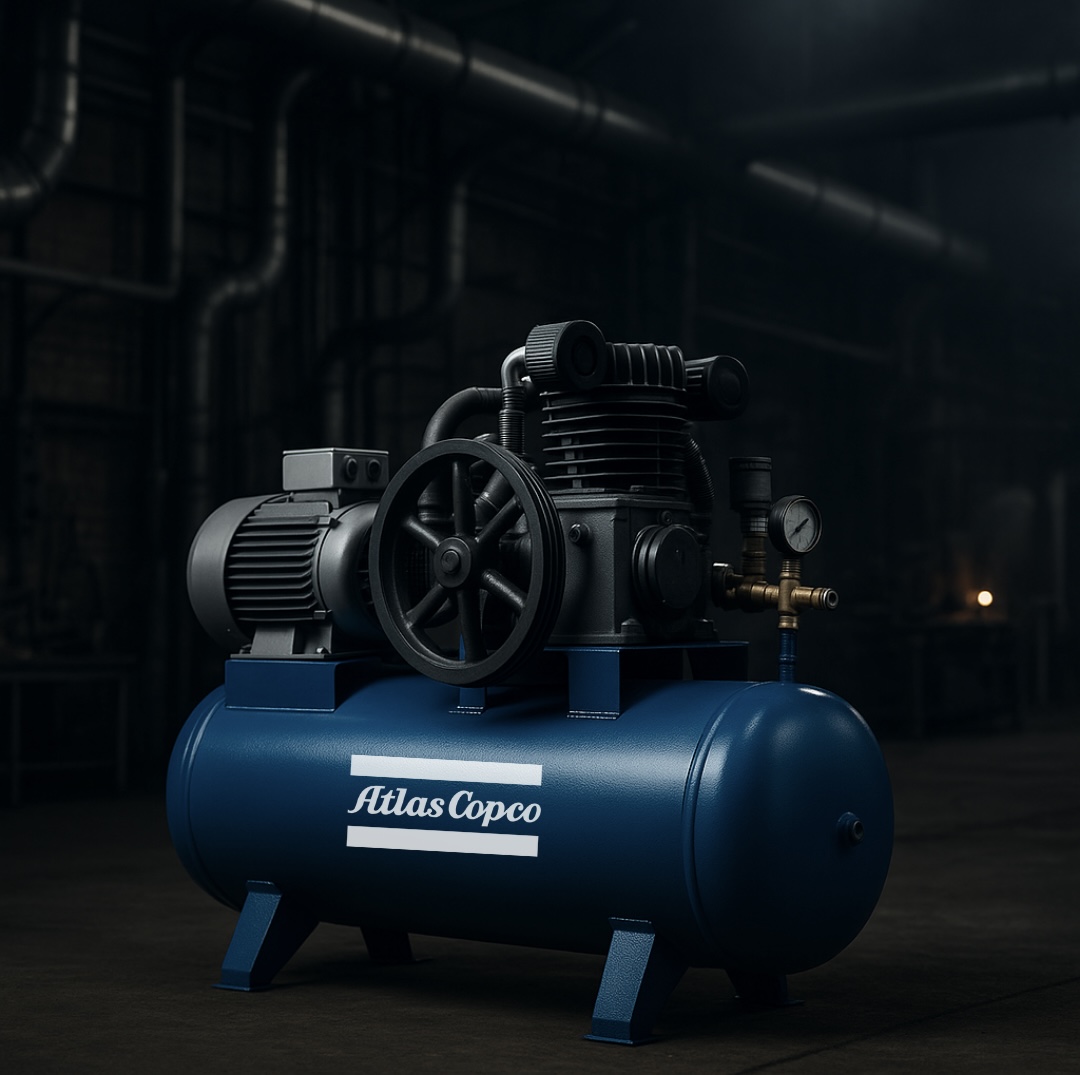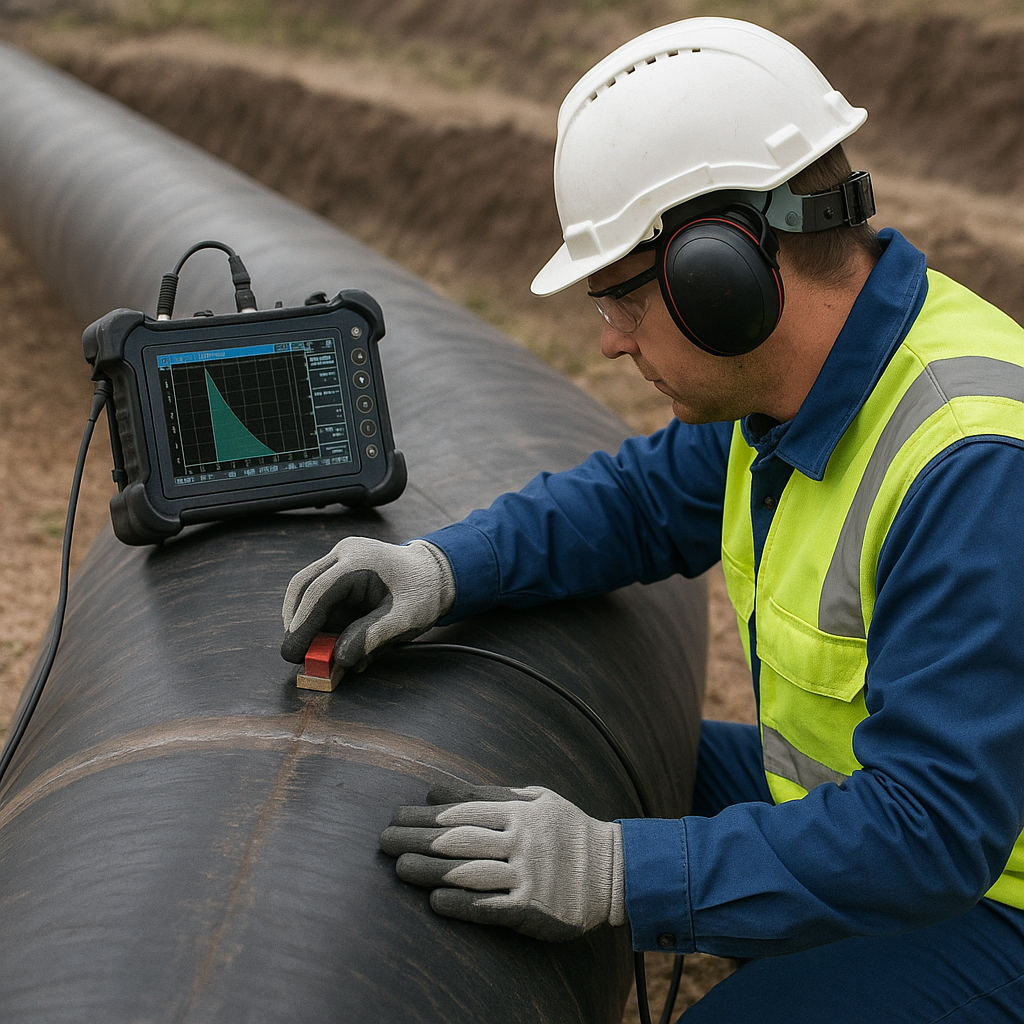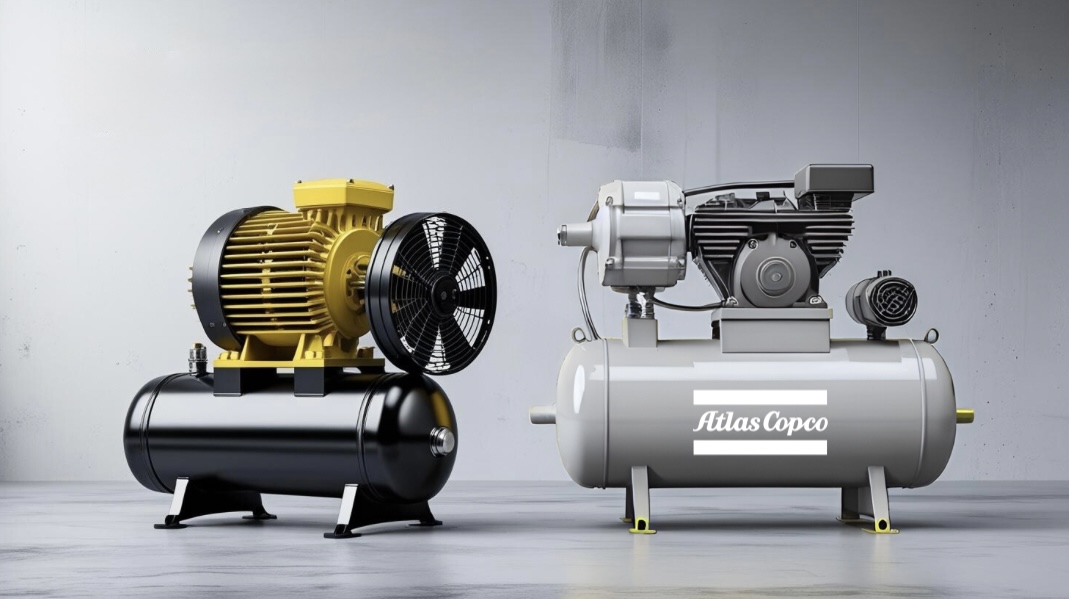

In industrial facilities, compressed air systems account for a significant share of electricity costs. In many cases, a large portion of this energy is wasted due to inefficiencies. The good news is that with the right approach, compressor energy consumption can be reduced by 20–35%.
Let’s explore how.
1. Choose the right compressor
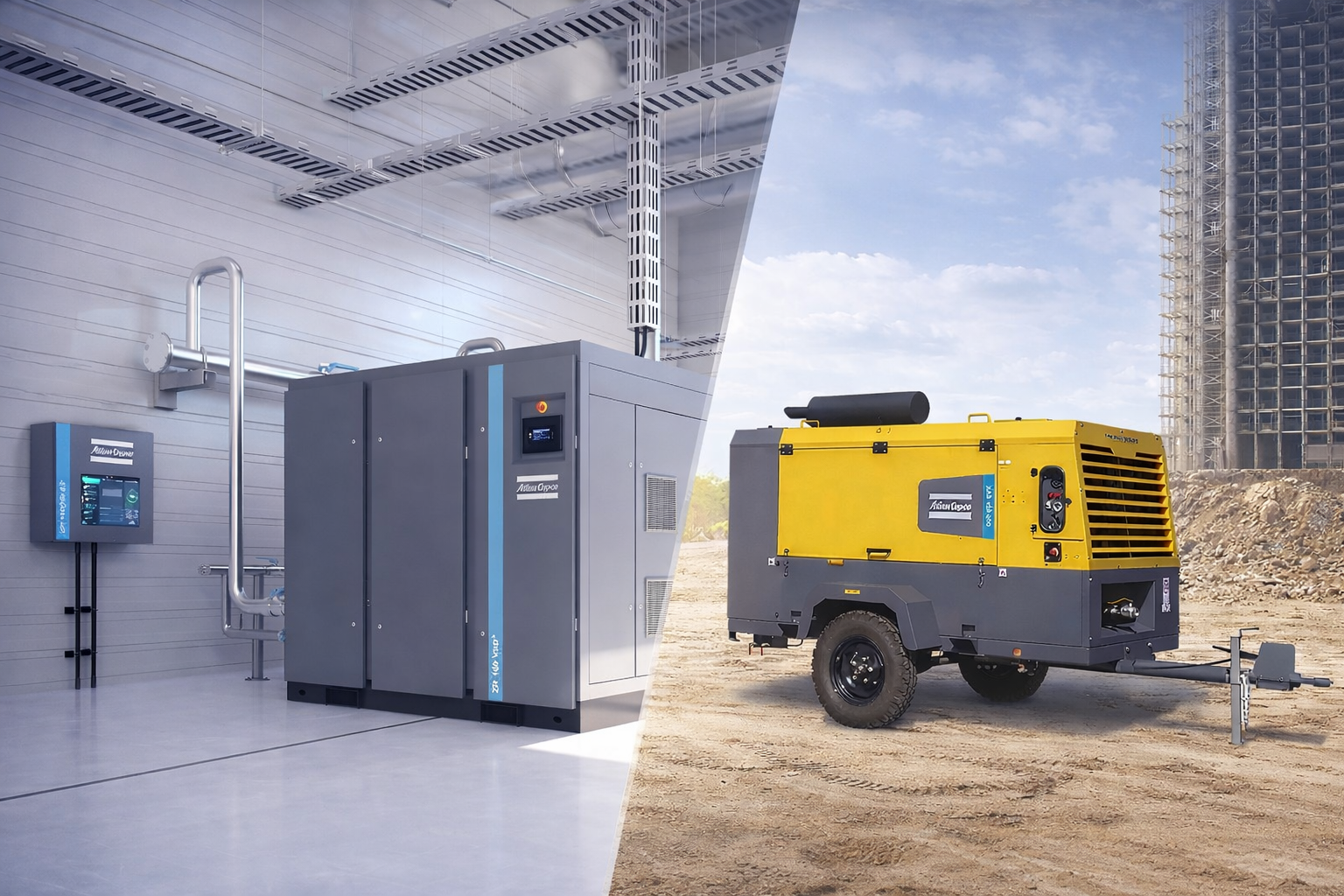
Not every compressor fits every application.
- Oversized compressors consume unnecessary energy
- Undersized units operate continuously under heavy load
Air demand (m³/min), pressure (bar), and operating profile must be accurately calculated.
2. Use VSD technology
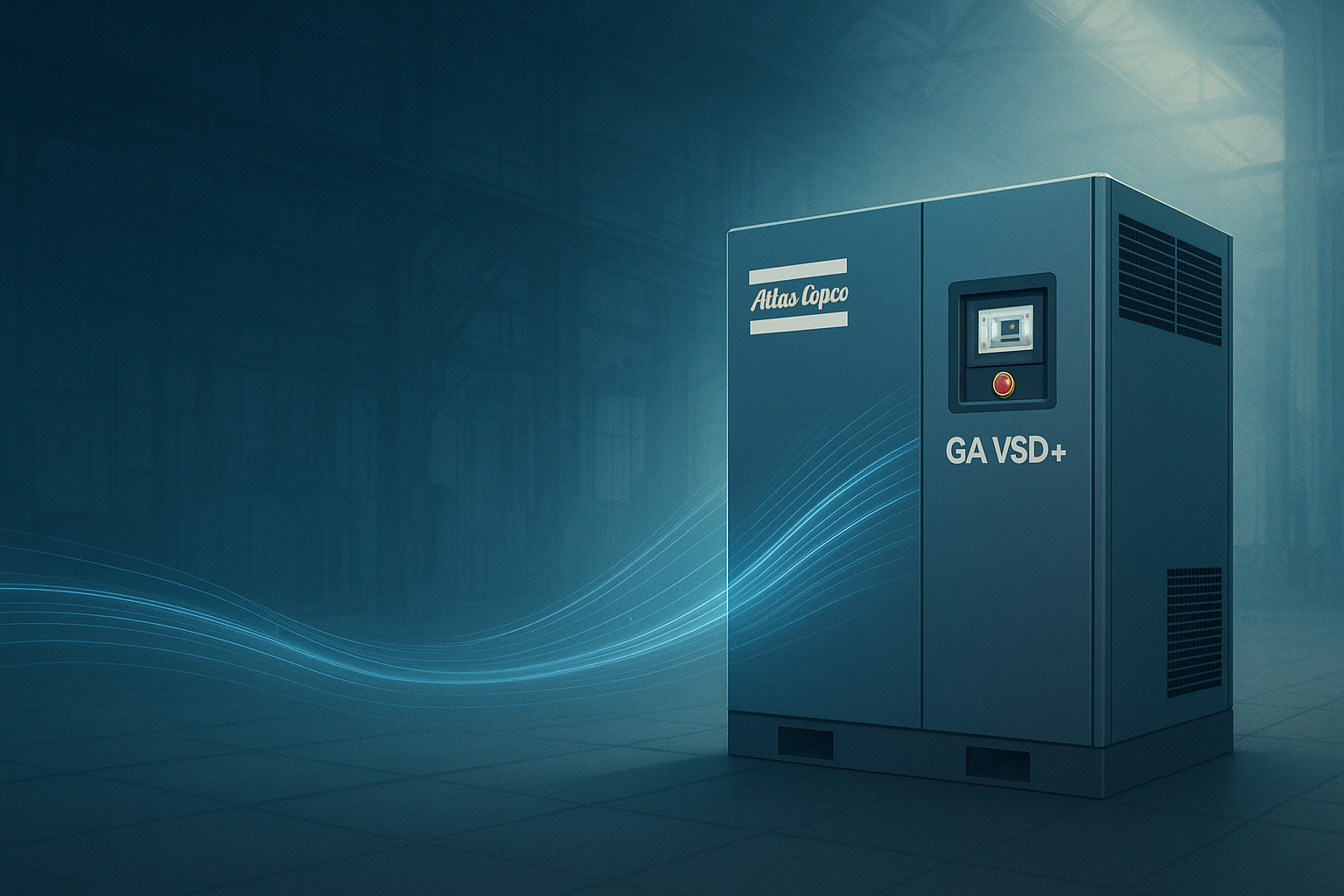
Variable Speed Drive (VSD) compressors adjust motor speed according to real air demand.
- Reduced energy consumption during partial load
- Automatic speed control
- Energy savings of up to 30%
Ideal for operations with fluctuating air demand.
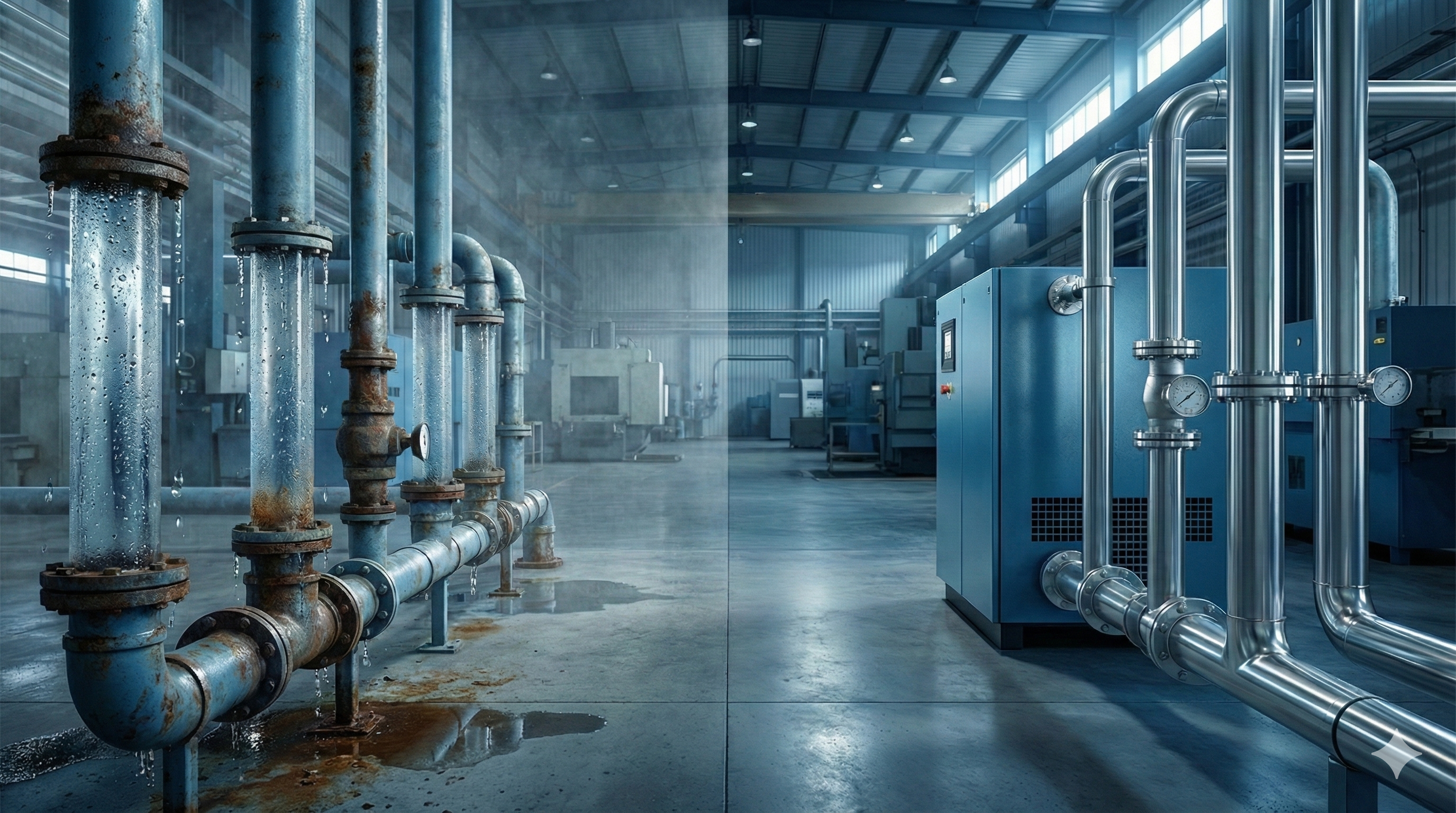
3. Eliminate air leaks
Small leaks can lead to major energy losses.
- Worn hoses
- Damaged fittings
- Open or leaking valves
Air leaks can waste 20–25% of the total compressed air produced.
4. Optimize operating pressure
Higher pressure means higher energy costs.
- Every additional +1 bar ≈ 6–7% more energy consumption
- Pressure should match actual equipment requirements
More pressure does not mean better performance.
5. Perform regular maintenance
A poorly maintained compressor consumes more energy.
- Dirty filters
- Old oil
- Worn components
Proper maintenance improves efficiency and extends equipment lifespan.
6. Don’t overlook air treatment equipment
Incorrectly selected dryers and filters cause:
- Pressure drops
- Increased compressor workload
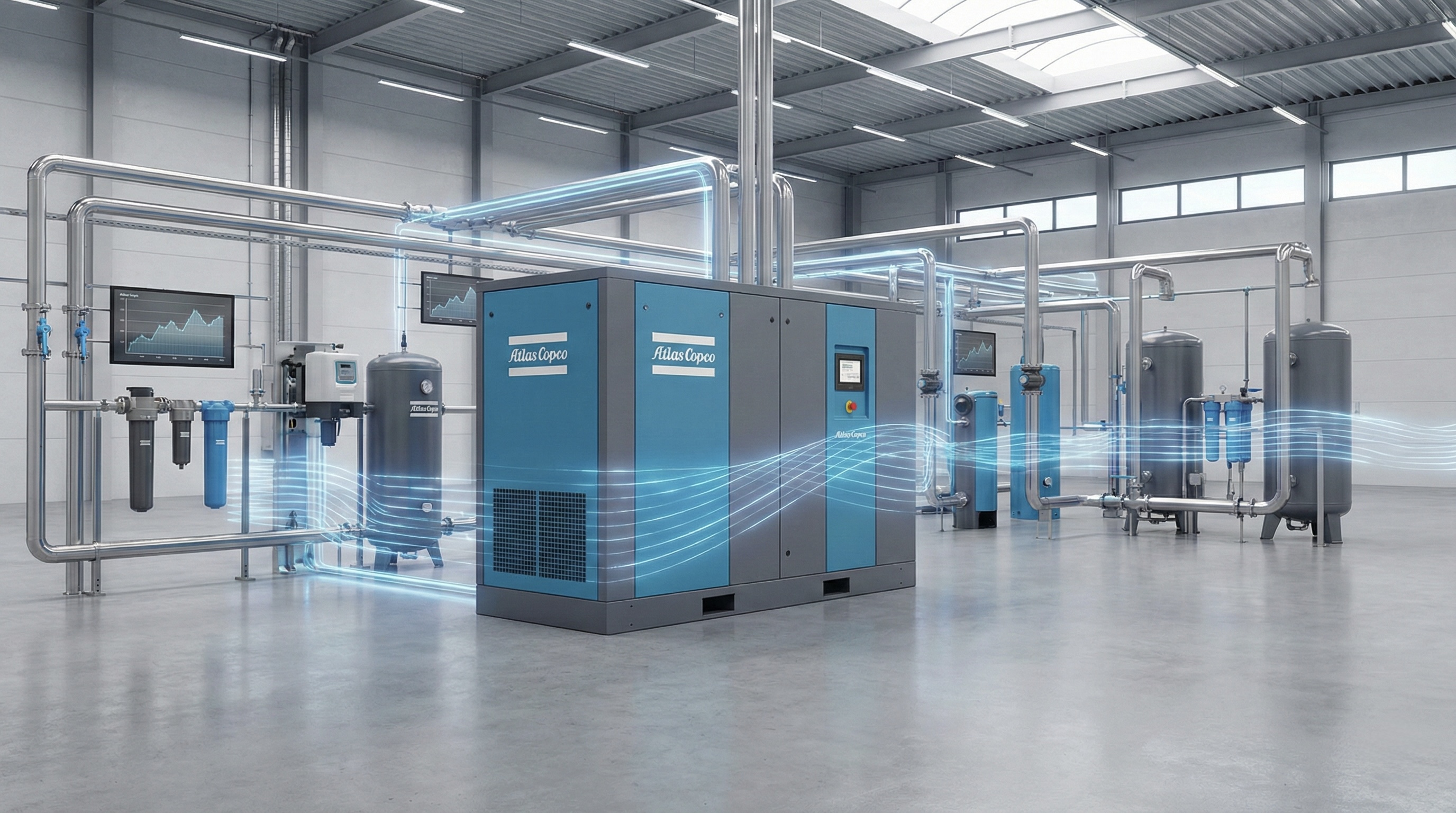
Energy efficiency should be evaluated across the entire compressed air system, not just the compressor.
Conclusion
Reducing compressor energy consumption is not only about lowering costs, but also about:
- Longer equipment life
- Stable production processes
- Reduced environmental impact
- Correct selection
- Smart technology
- Continuous monitoring
These are the three pillars of energy efficiency.