
How should a backup energy plan be established in industrial enterprises?
In industrial facilities, power outages may seem like a short-term interruption. However, for manufacturing industries, they often cause serious operational problems, equipment damage, product loss, and financial losses. Especially for factories, construction sites, logistics centers, food production facilities, and heavy industrial facilities that operate continuously, a backup power plan should be prepared in advance.
A backup power plan is an important document that determines which systems an enterprise should keep operational during a power outage, what generator capacity it needs, how the transition process will be managed, and how maintenance will be organized. In other words, the main goal here is not just to buy or rent a generator, but to properly plan the entire energy continuity.
Why is a backup power plan important?
In industrial areas, a power outage can result in the production process being stopped. Even if this stoppage is sometimes only a few minutes, it can take hours to restore the process. In particular, automated production lines, compressor systems, cooling equipment, pumps and control panels are directly dependent on power stability.
During a power outage, raw materials may become unusable, the quality of the manufactured product may deteriorate, equipment may suddenly stop, and delays may occur in the work process. Therefore, a backup power plan should be a key part of every industrial enterprise's risk management strategy.
A properly designed backup power system helps a company to fully or partially continue production, keep safety systems active, and prevent unexpected costs.
First step: correctly calculating energy needs
The first step in creating a backup power plan is to determine the actual power needs of the enterprise. The main question here is: what equipment must be operational in the event of a power outage?
In some enterprises, it is not necessary to provide all systems with a generator at the same time. For example, only the main part of the production line, security systems, lighting, compressors, pumps and server equipment can be kept operational. This approach allows both a more correct selection of generator power and the prevention of additional costs.
When calculating energy, the total power of the equipment, the additional power required at the time of start-up, the systems operating simultaneously, and the possibility of future expansion of the enterprise should be taken into account. An incorrect calculation can lead to overloading the generator or selecting a power greater than necessary. In both cases, additional risk and cost arise for the enterprise.
Critical equipment should be identified
Not all equipment is equally important in every industrial facility. Therefore, when developing a backup power plan, the critical systems should be identified first. Critical equipment is the system that could seriously affect the operation of the facility if it were to stop during a power outage.
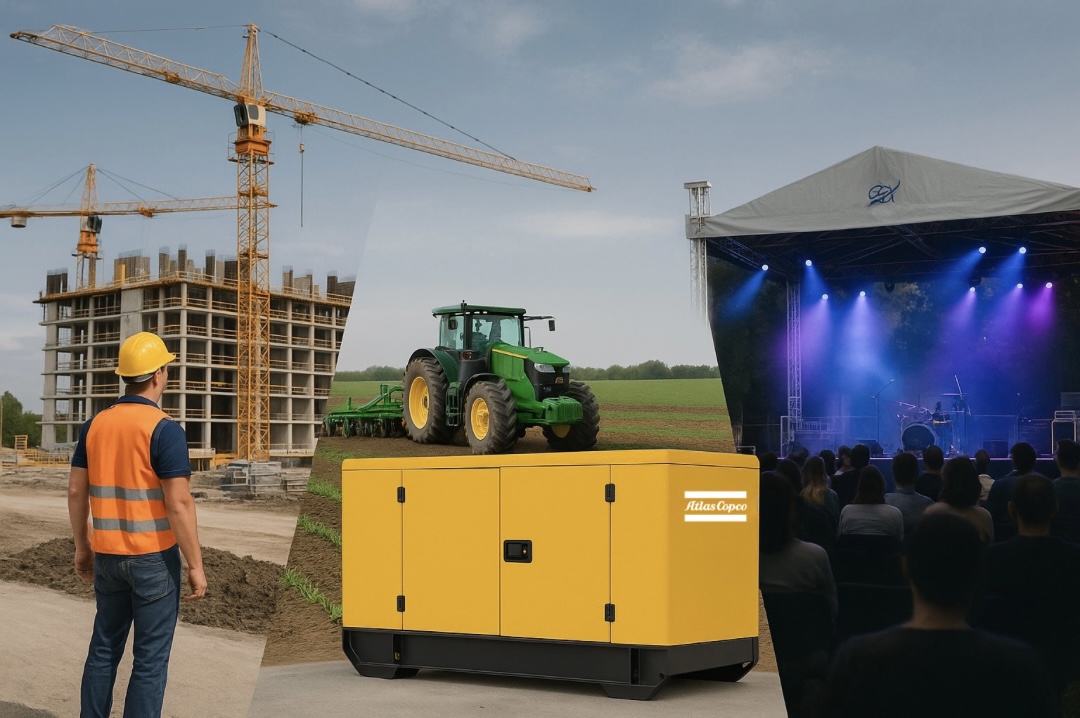
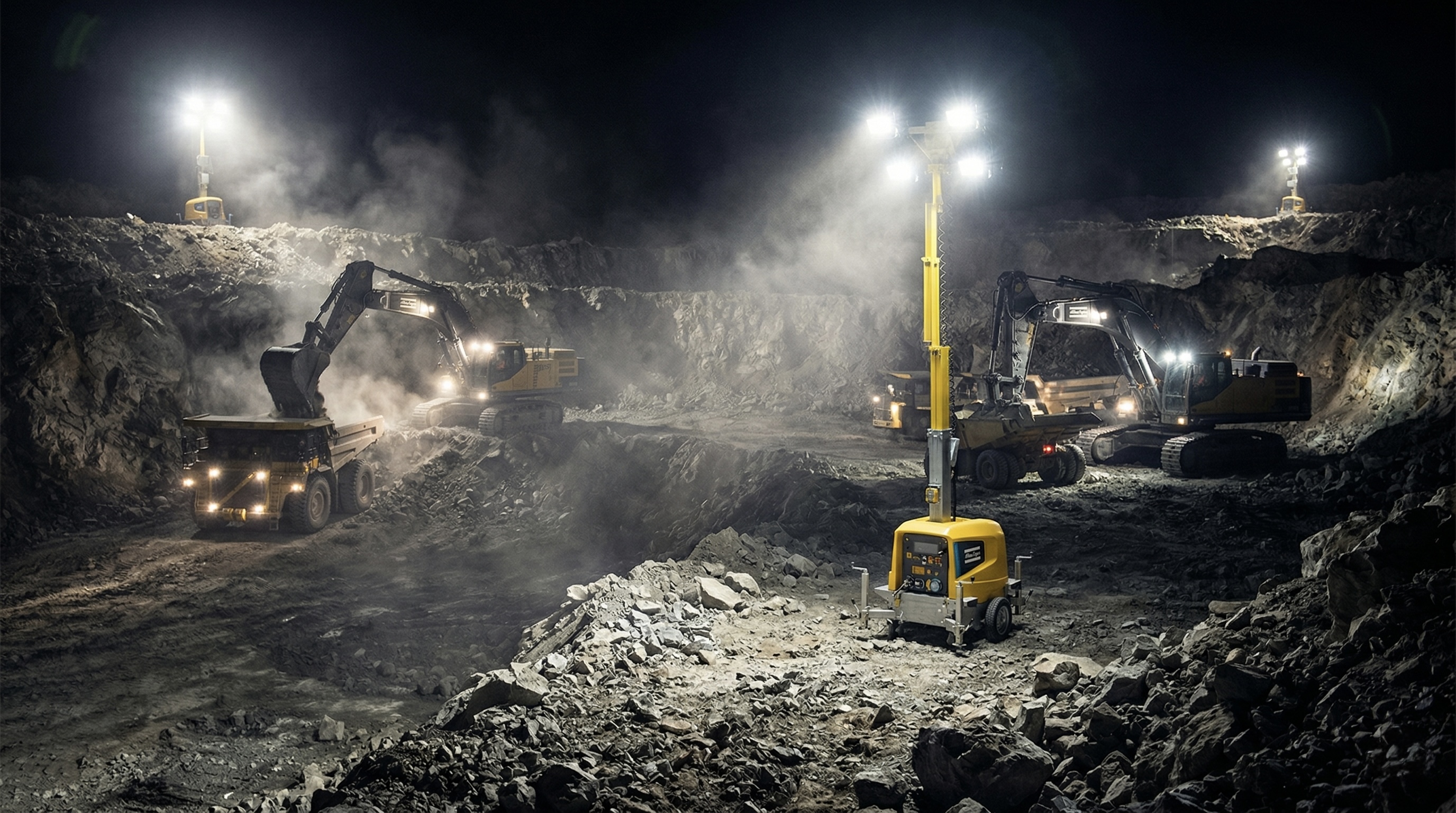
These systems may include production lines, compressors, pumps, cooling systems, security cameras, fire alarm systems, server rooms, and control panels. This list varies depending on the business. For example, in food production, cooling systems may be a top priority, while in construction, lighting and lifting equipment may play a more important role.
Correct identification of critical equipment allows for more accurate selection of generator power and more efficient use of energy resources.
How should generator power be selected?
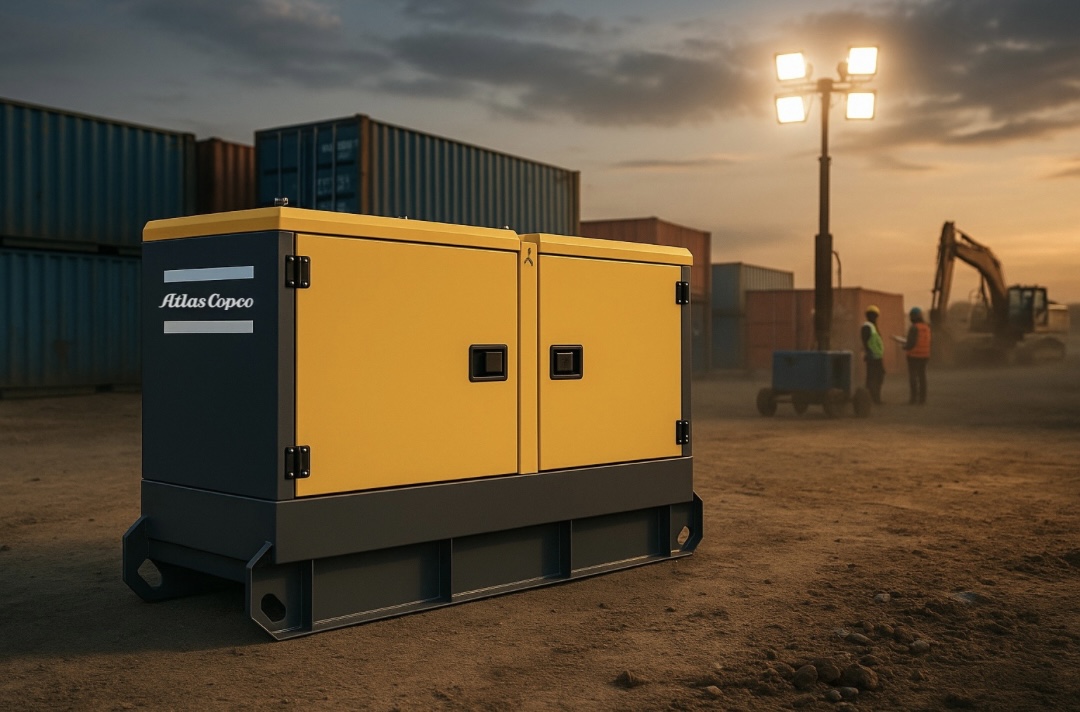
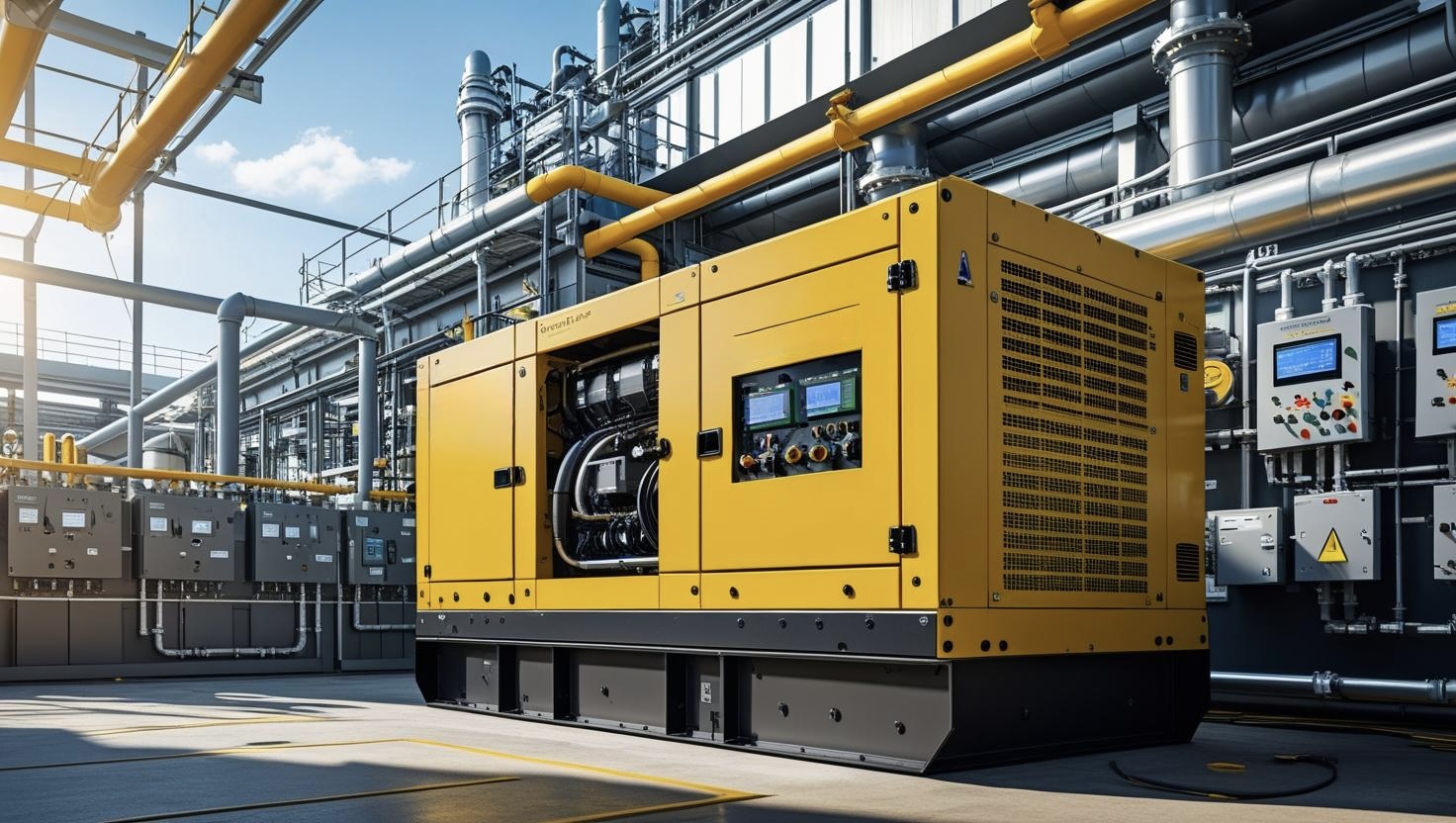
Generator selection is one of the most important stages of a backup power plan. It is not enough to look at the generator's power rating alone. The main issue is whether that power corresponds to the actual operating mode of the enterprise.
When selecting a generator, the total power requirement of the equipment to be operated, the additional load created by motorized systems upon startup, the number of hours the generator will operate continuously, fuel consumption, sound level, and the environment in which the facility is located should be taken into account.
It is not recommended to operate the generator at full capacity in industrial enterprises. Because a generator that is continuously operating at maximum load wears out faster and may cause problems with energy stability. Therefore, the reserve power share should be taken into account and the generator should be selected according to the real needs of the enterprise.
Why is an automatic switching system important?
Manually starting a generator during a power outage can be a time-consuming process for some businesses. Especially in continuous production processes, even a few minutes of downtime can have serious consequences. For this reason, an automatic transfer system, or ATS system, plays an important role in a backup power plan.
The ATS system automatically starts the generator when there is an outage on the main power line and redirects the power load to the backup source. After the city's electricity is restored, the system switches back to the main line. Since this process occurs without human intervention, power outages are minimized and equipment continues to operate more safely.
An automatic switching system is especially important for manufacturing plants, hospitals, data centers, logistics facilities, and industrial sectors that operate 24/7.
Fuel reserves and a service plan should be prepared.
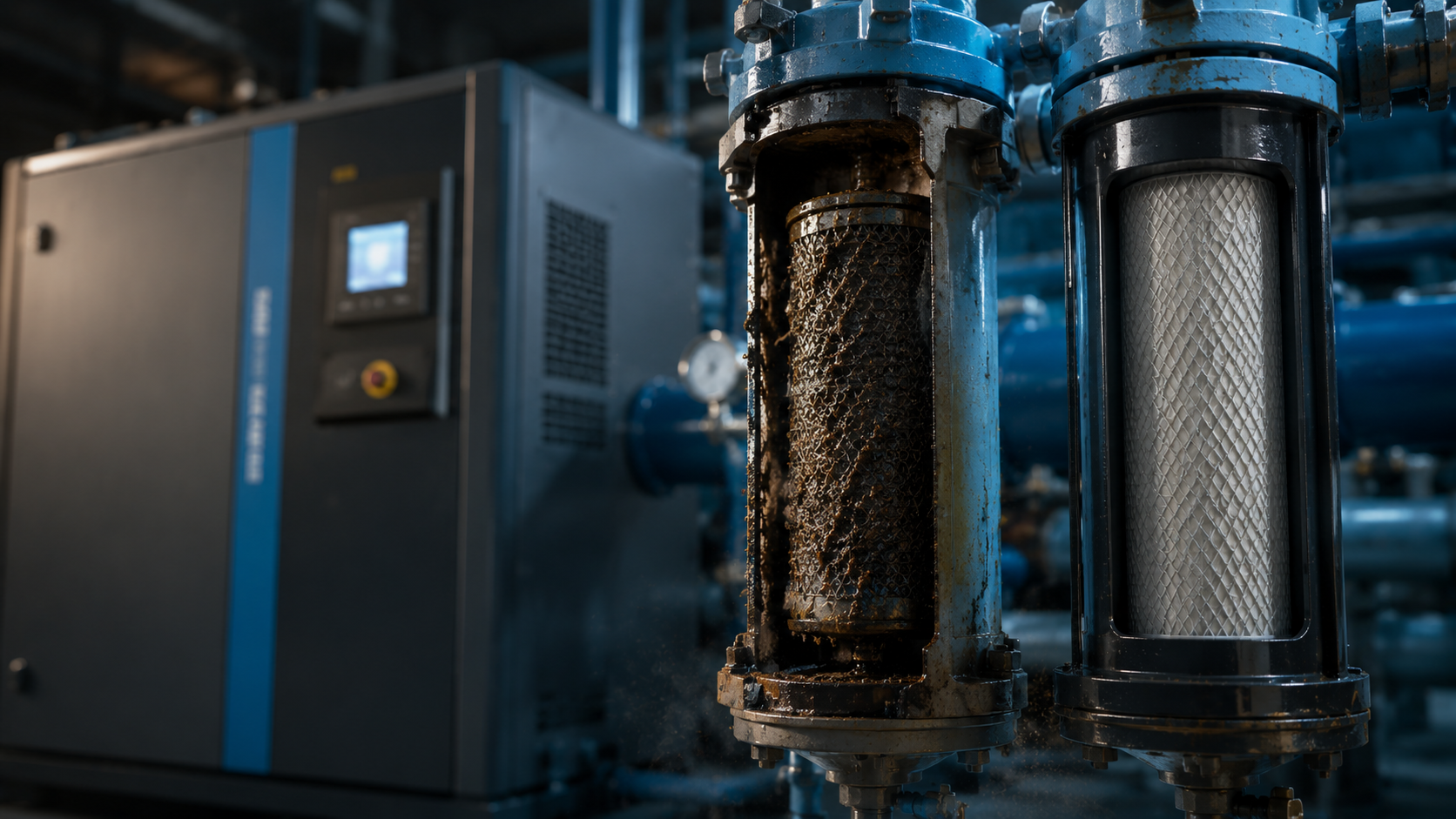
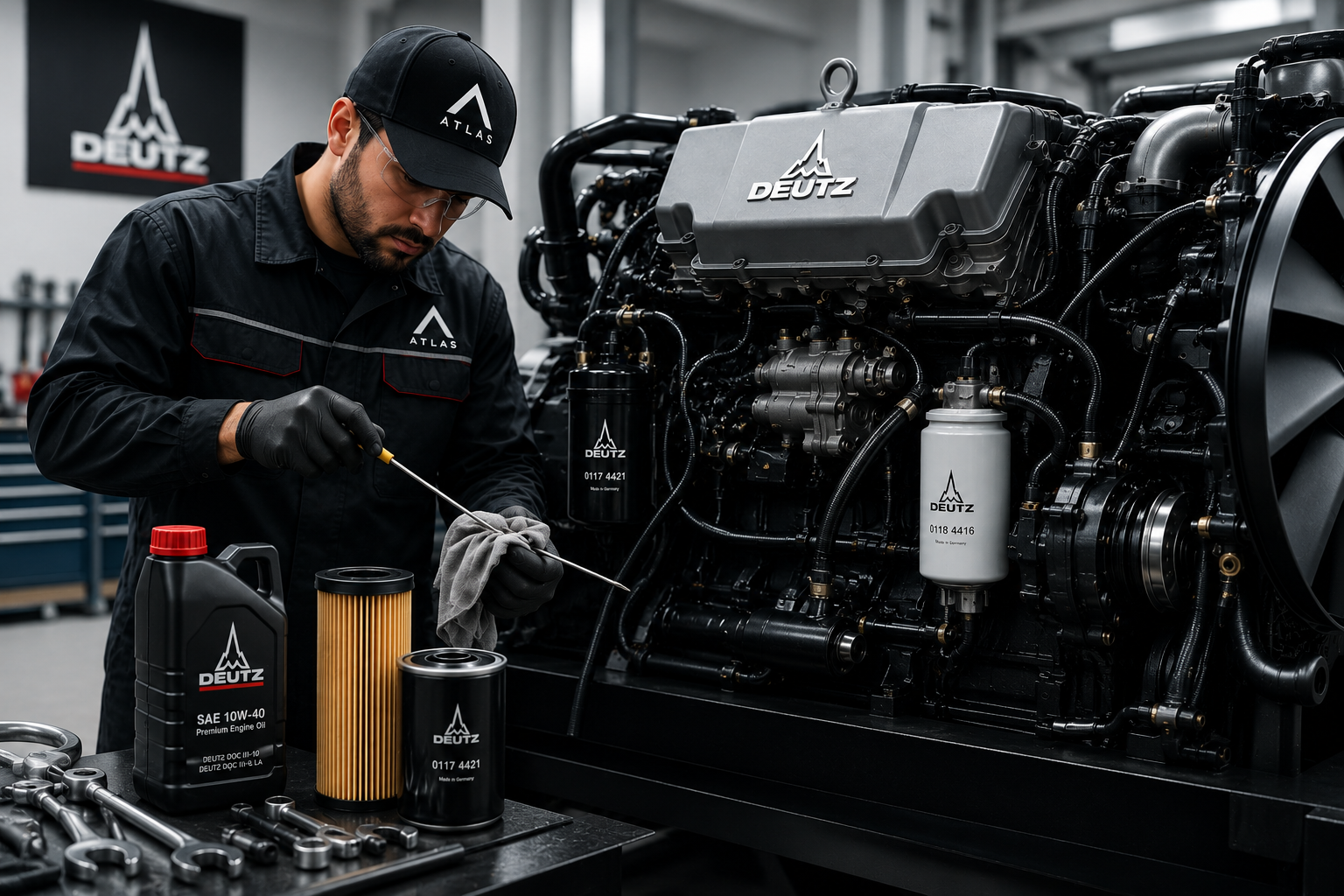
It is not enough to have a generator to keep a backup power system operational. In order for the generator to be ready for use at any time, a fuel reserve, oil level, battery condition, filter system, cooling system, and a general maintenance plan must be prepared in advance.
In many cases, businesses provide a generator but are faced with the problem of it not being ready during an emergency. This is usually due to late maintenance, poor fuel management, or a weak battery.
Therefore, the backup power plan should clearly indicate how many hours the generator will operate continuously, where the fuel will be stored, at what intervals technical inspections will be carried out, and how to contact the service team in case of an emergency.
Regular tests and inspections should be carried out
The backup power system should not only be tested during a power outage. The generator and ATS system should be tested regularly to ensure that there are no problems during a real emergency.
During the test, the generator's starting, operation under load, fuel consumption, temperature indicators, sound level, and automatic switching process should be checked. As a result of these checks, possible malfunctions are detected in advance and eliminated in a timely manner.
Regular testing increases generator reliability, extends equipment life, and strengthens the energy security of the enterprise.
A backup power plan protects the continuity of the enterprise
A backup power plan for industrial enterprises is not just a technical document. This plan is a strategic approach that protects business continuity, production safety, and the stability of operational processes.
Power outages are unpredictable. However, with the right generator selection, automatic transfer system, fuel reserves, and maintenance plan, a business can be prepared for this risk. As a result, production is not stopped, equipment is protected, and financial losses are minimized.
Backup power solutions with Atlas
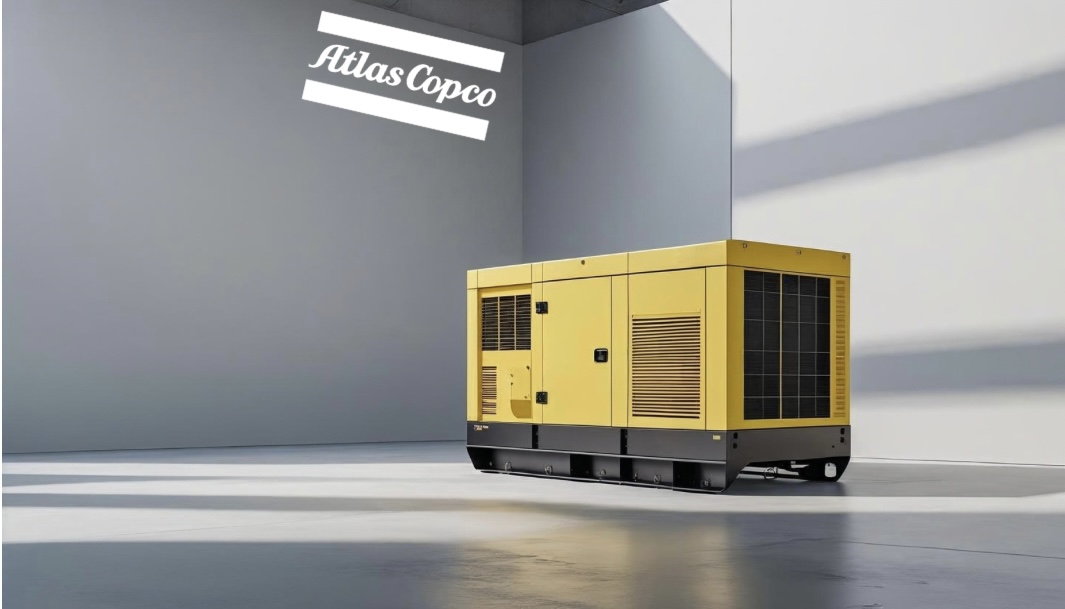
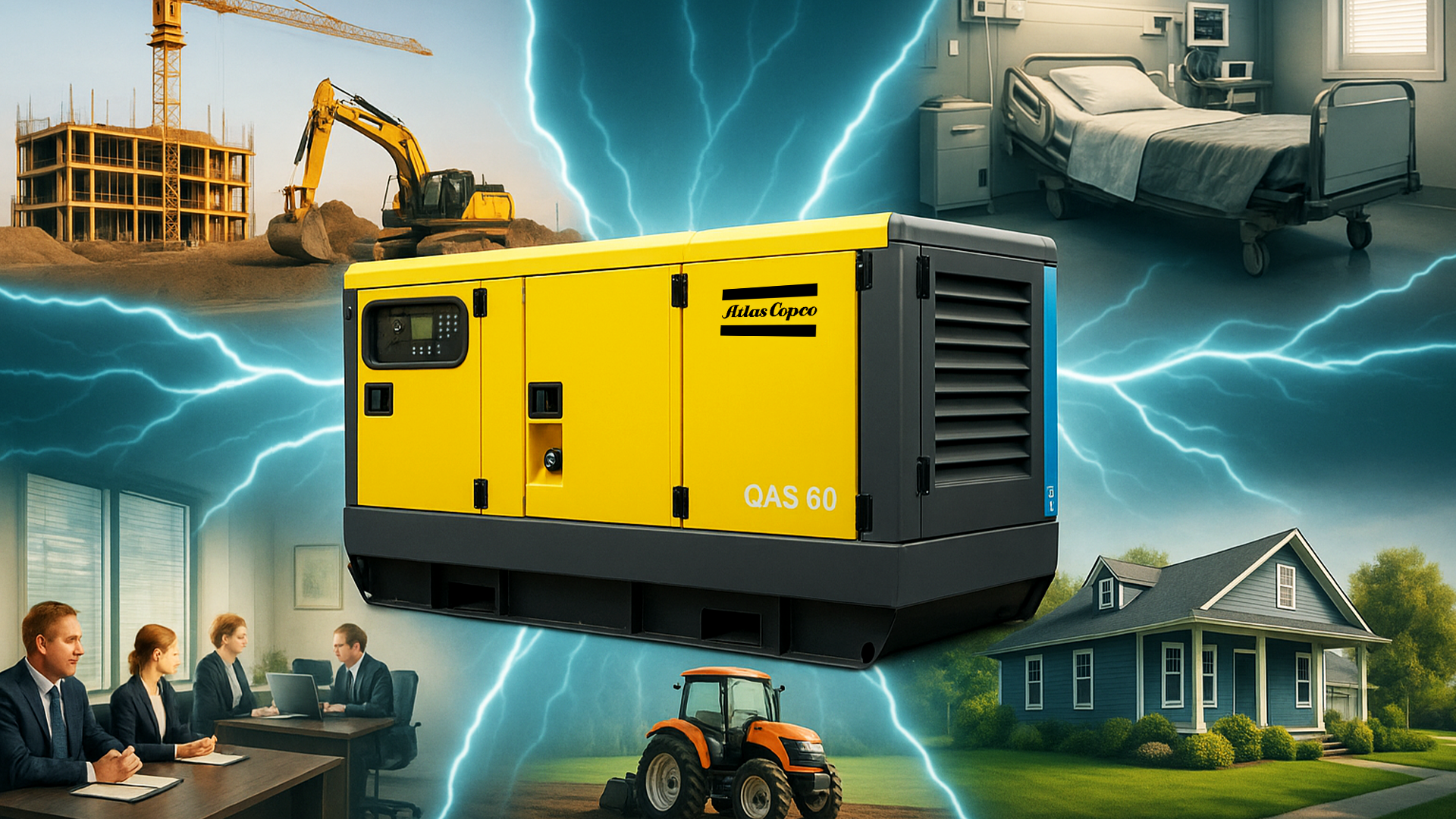
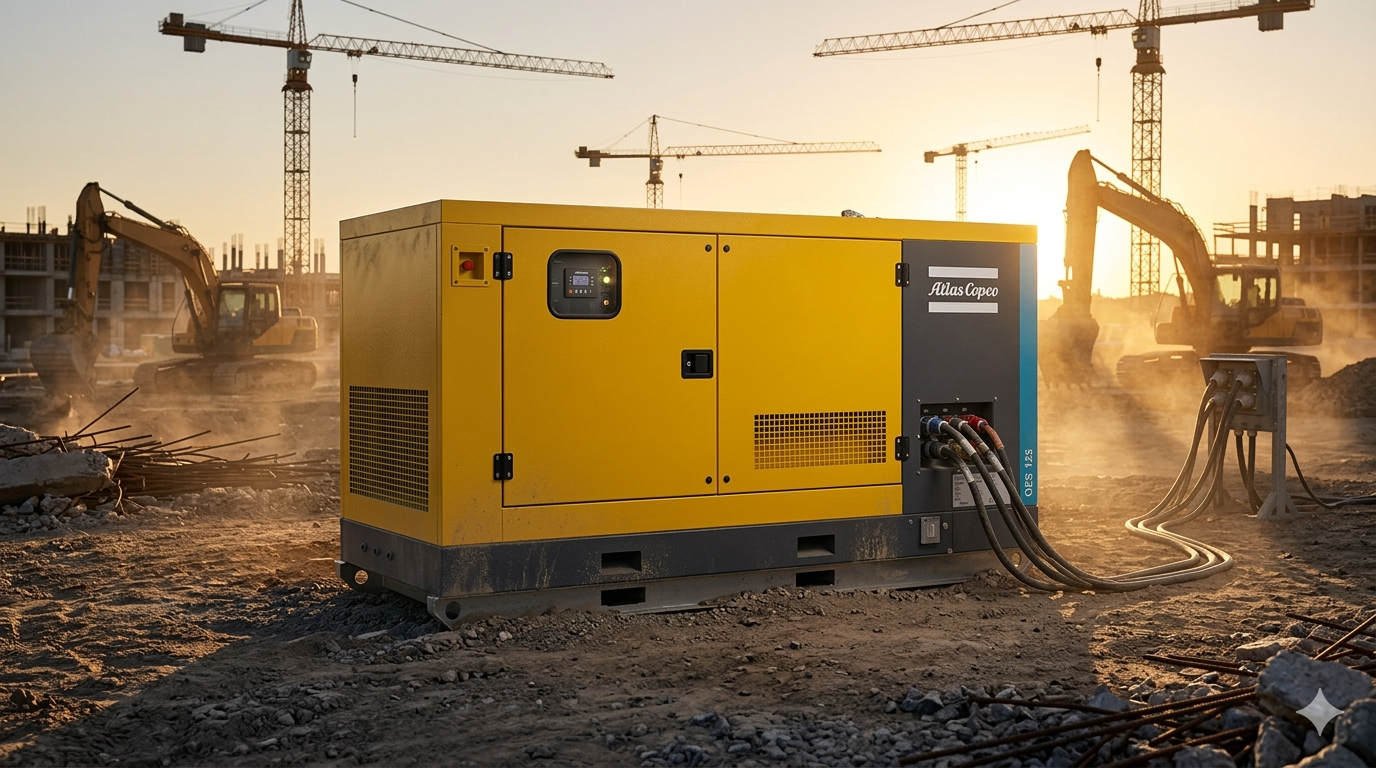
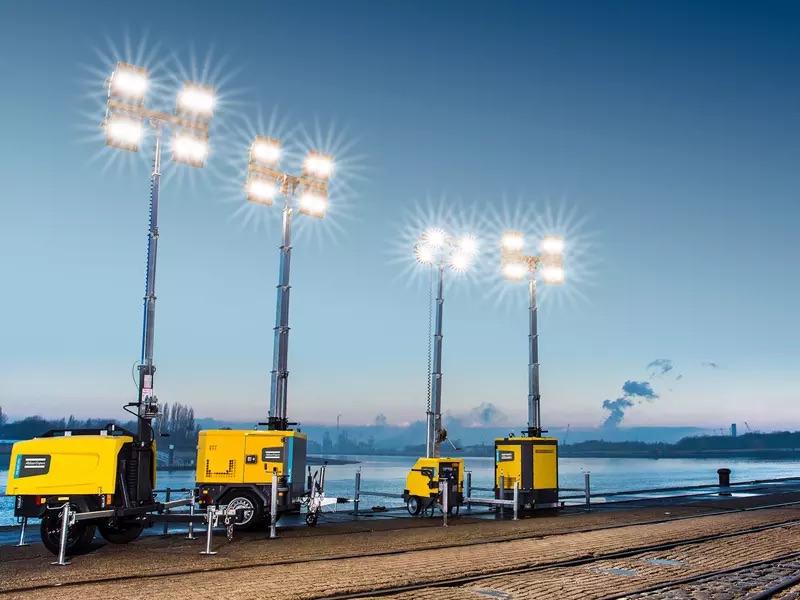
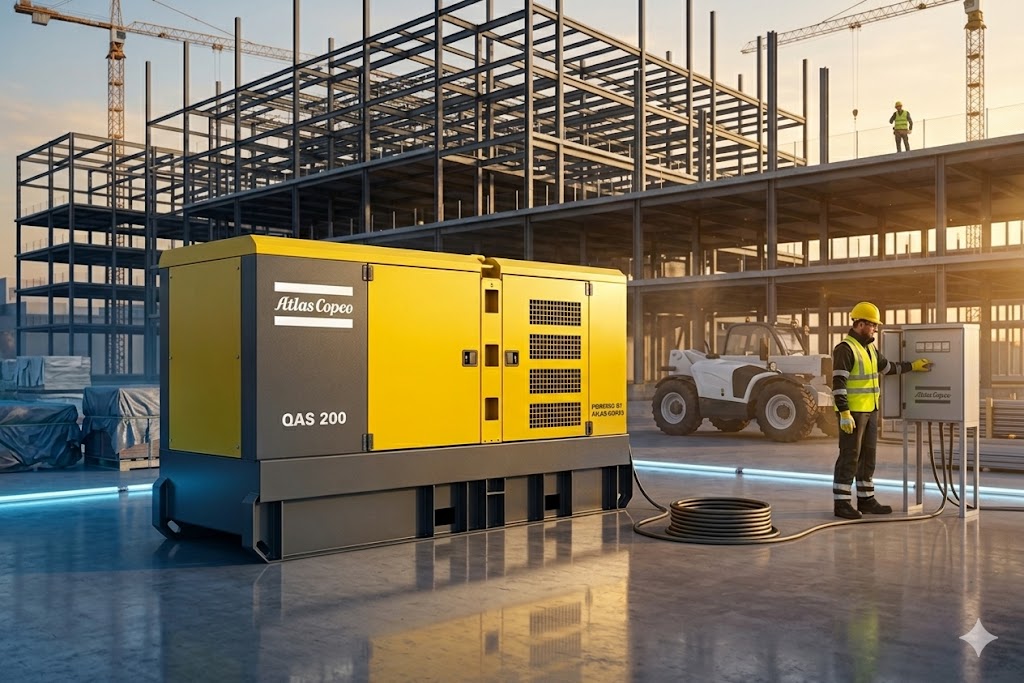
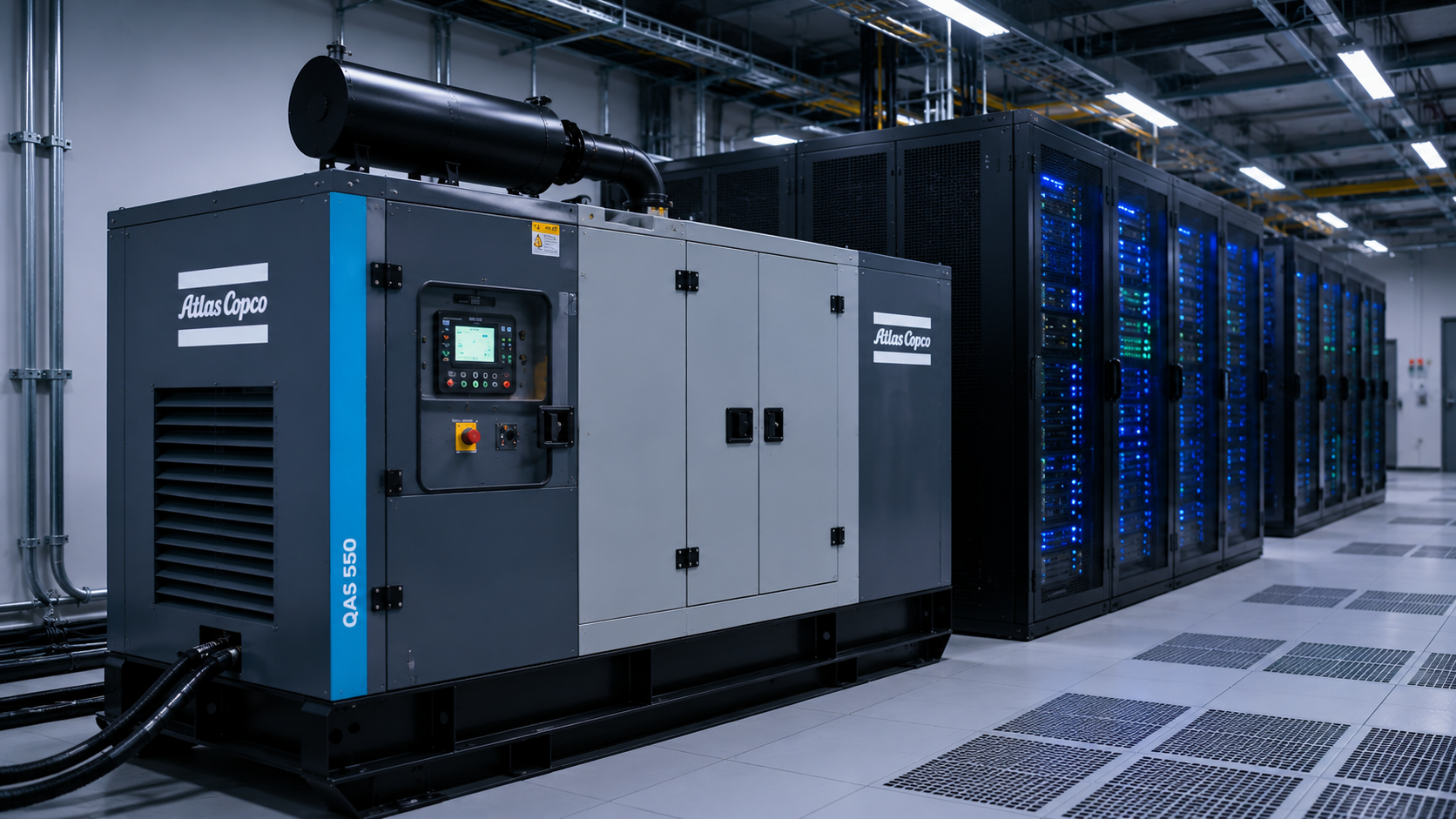
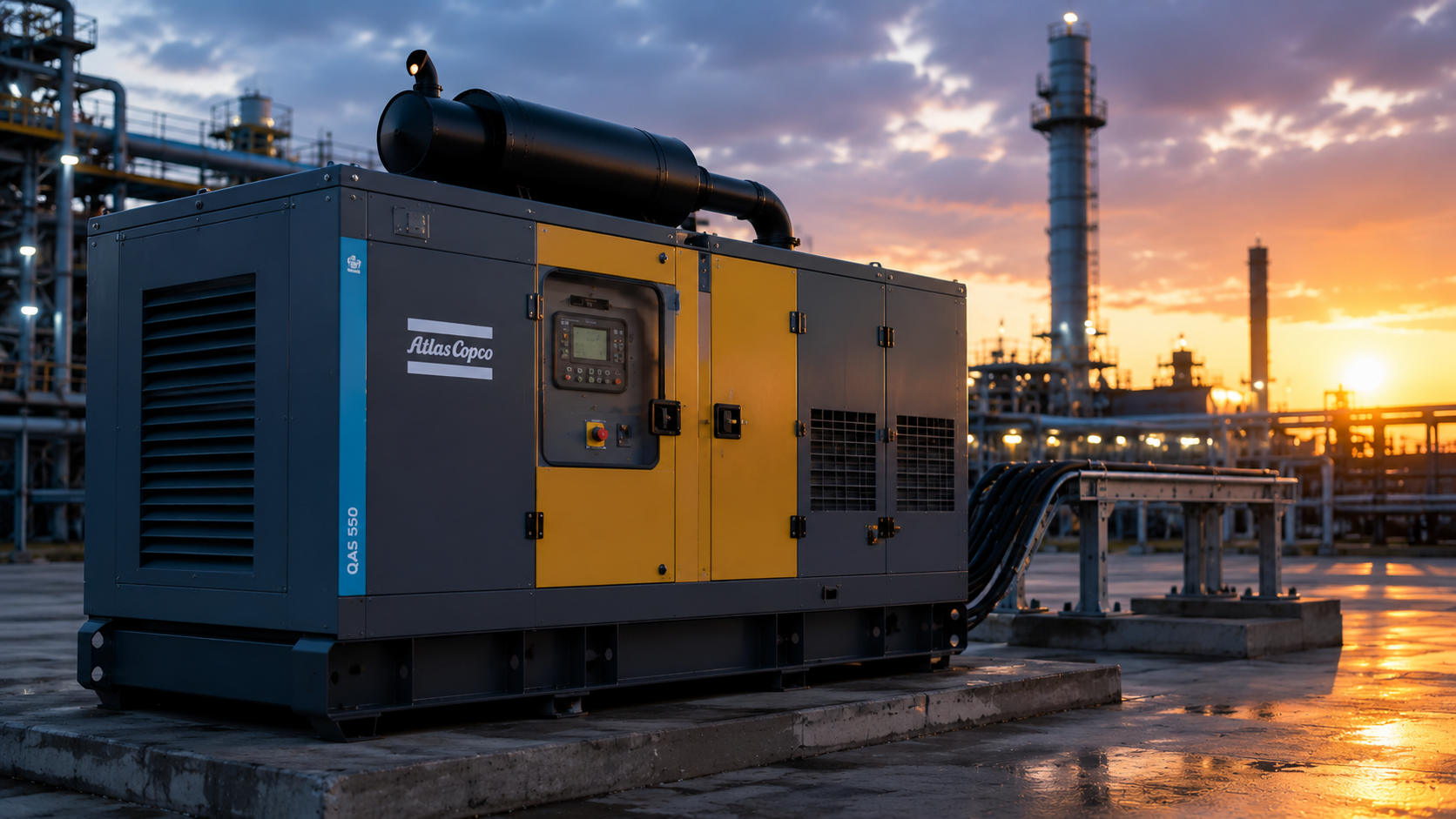
Atlas provides backup power solutions for industrial facilities, construction sites, manufacturing sites and various businesses. We help ensure energy sustainability with generator selection according to the energy needs of the enterprise, sales and rental opportunities, technical advice and service support.
A properly planned backup power system protects your business from unexpected power outages and allows your operations to continue uninterrupted.
If you are looking for a suitable generator and backup power solution for your industrial facility, the Atlas team is ready to provide you with professional support.