
Why is Correct Measurement Important in Protective Paint Systems?
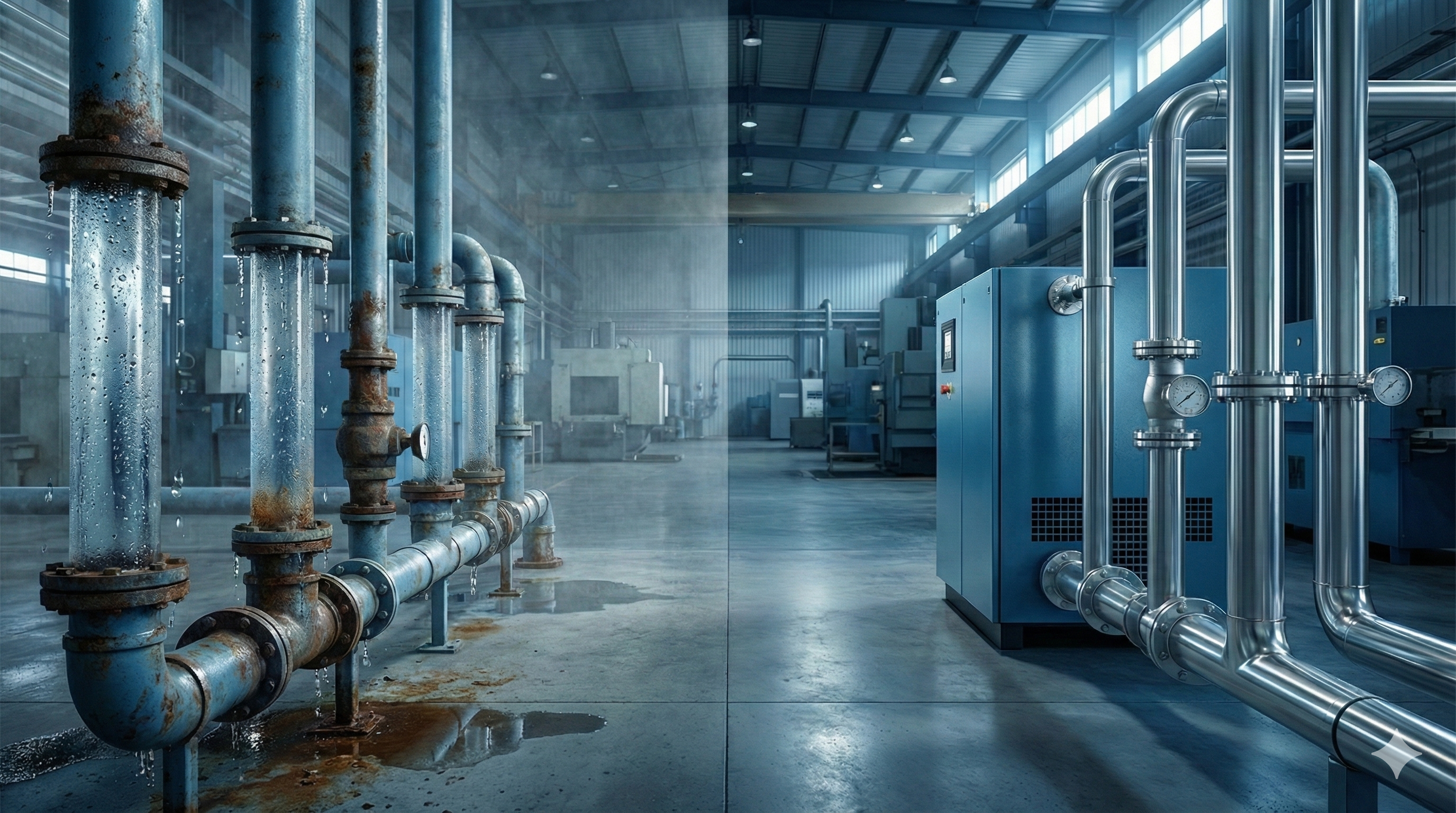
In industrial facilities, metal structures, pipelines, tanks, bridges, production equipment and other surfaces are constantly exposed to humidity, chemical influences, temperature changes and mechanical wear. In such conditions, protective paint systems play an important role in ensuring long-term surface protection.
However, the effectiveness of a protective paint system does not depend solely on the quality of the paint used. Equally important are the correct application of the paint to the surface, the thickness of the layer, the level of surface preparation and the accuracy of the measurement process. If the measurement is not done correctly, the paint system may not provide the expected protection, which can lead to corrosion, coating failure and additional repair costs over time.
What is a protective paint system?
A protective paint system is a technical coating system consisting of one or more layers of paint applied to protect a surface from external influences. These systems are mainly used to protect metal surfaces from corrosion, increase the service life of equipment, and ensure technical safety.
Such paint systems usually include a primer, an intermediate coat, and a top coat. Each coat has a specific function and each of these coats must be applied in accordance with the technical requirements specified in the project.
Why is accurate measurement necessary?
In protective paint systems, the measurement process is one of the key stages in checking the quality of paint application. Through measurement, accurate information is obtained about the surface preparation, paint layer thickness and the overall condition of the coating.
If the paint layer is applied thinner than required, the surface is not sufficiently protected and the risk of corrosion increases. If the paint layer is applied too thick, drying problems, cracking, peeling and material waste can occur. Therefore, correct measurement is important from both a technical quality and economic point of view.
Paint thickness measurement
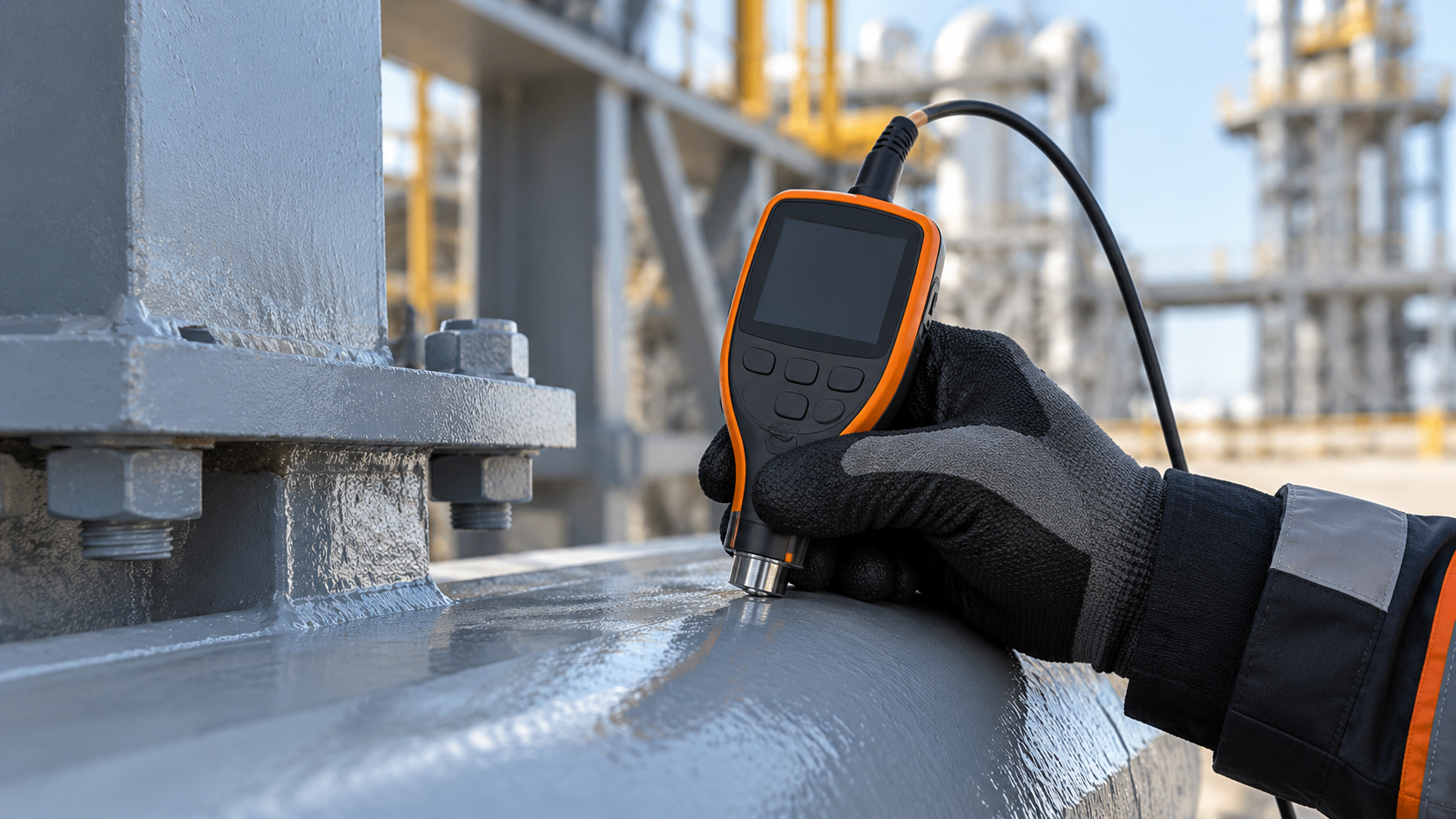
One of the most important parameters in protective paint systems is dry film thickness. This parameter indicates the thickness of the protective layer that the paint forms on the surface after drying.
Dry film thickness should be in accordance with the project requirements. For example, paint systems used in industrial facilities are specified to have a specific micron range. Going outside this range can negatively affect the performance of the paint system.
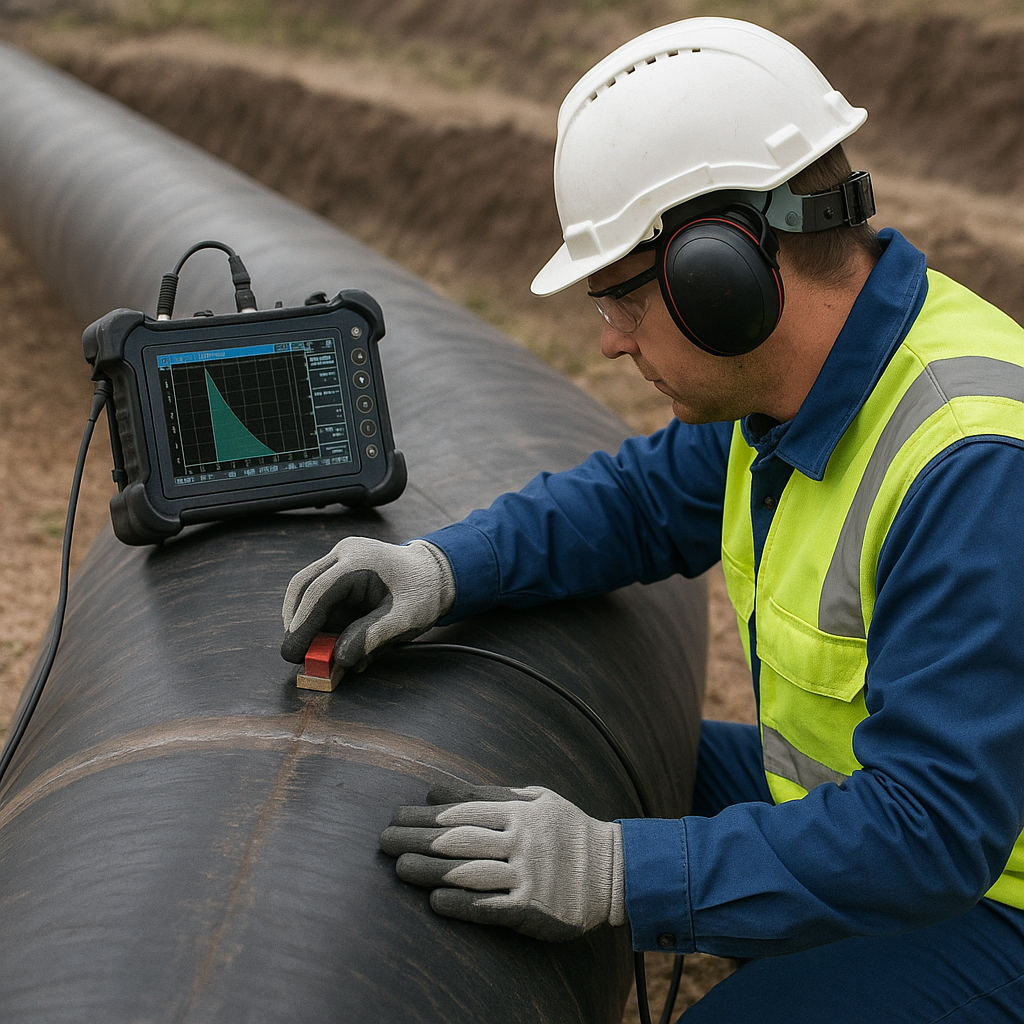
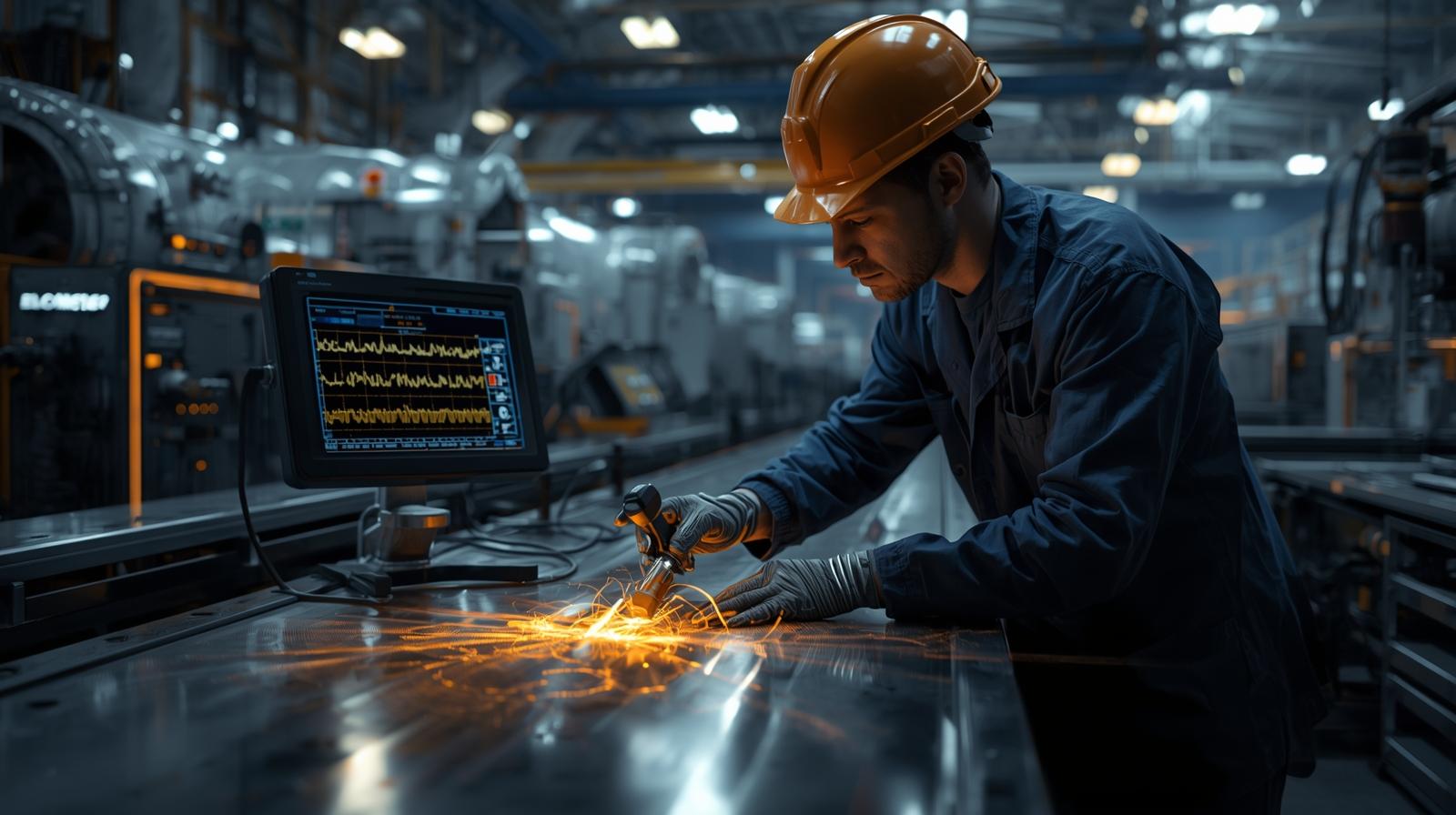
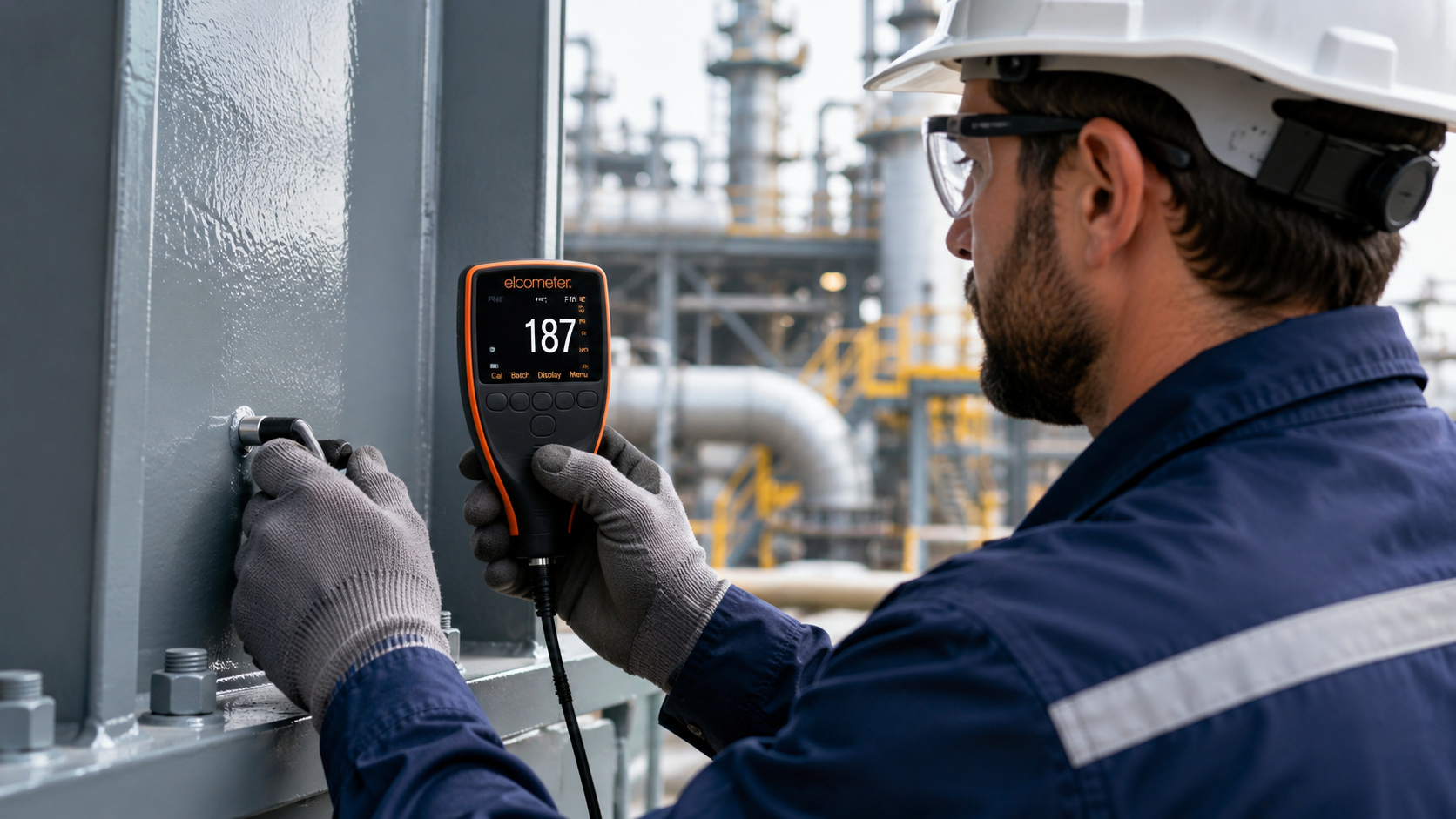
Checking paint thickness using precise measuring devices allows you to determine whether the coating has been applied in accordance with technical standards.
Proper surface preparation starts with measurement
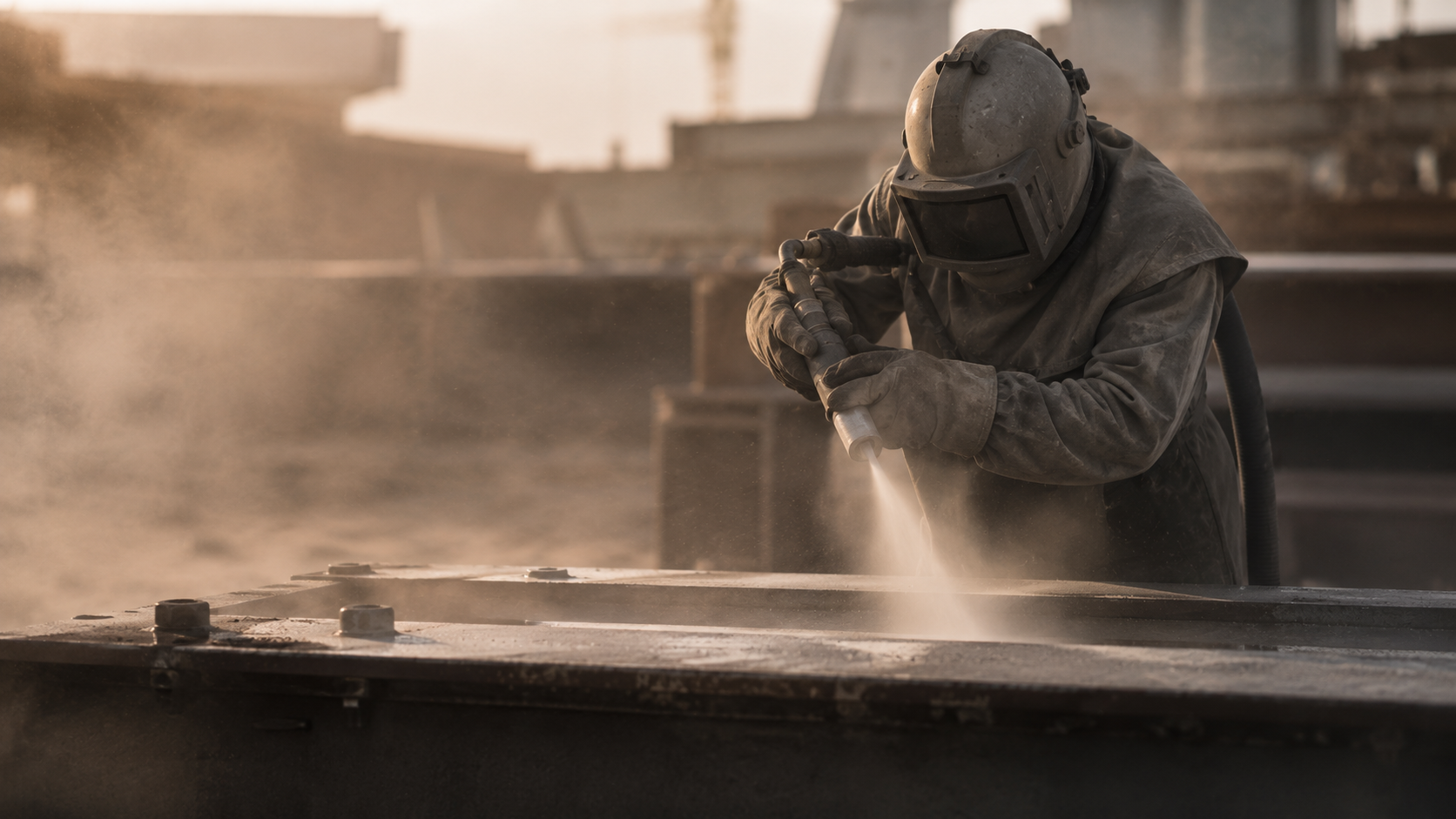
Surface preparation before paint application is essential for the success of the protective system. If the surface is contaminated with rust, oil, dust, old paint residue, or other contaminants, the paint may not adhere properly.
At this stage, the surface roughness, cleanliness, and moisture level should be checked. Even the best quality paint cannot provide long-term protection if the surface is not properly prepared.
Accurate measurement helps detect problems early at this stage and prevents defects that will arise later.
Risks caused by incorrect measurement
Neglecting measurement in protective paint systems can lead to serious technical and financial problems.
The most common risks are:
- Rapid onset of corrosion
- Peeling and cracking of the paint layer
- Reduction in the service life of equipment and structures
- Additional costs for repainting
- The project does not meet technical standards
- Increased job security risks
To prevent these problems, regular measurements and quality control should be carried out during paint application.
Accurate measurement optimizes material consumption
Measurement in paint systems is important not only for quality but also for cost management. Applying too much paint wastes material. Applying too little paint causes rework and additional costs later.
Thanks to accurate measurement, paint consumption is optimized, the project budget is more properly managed, and the final quality of the work is improved.
The role of measuring instruments in quality control
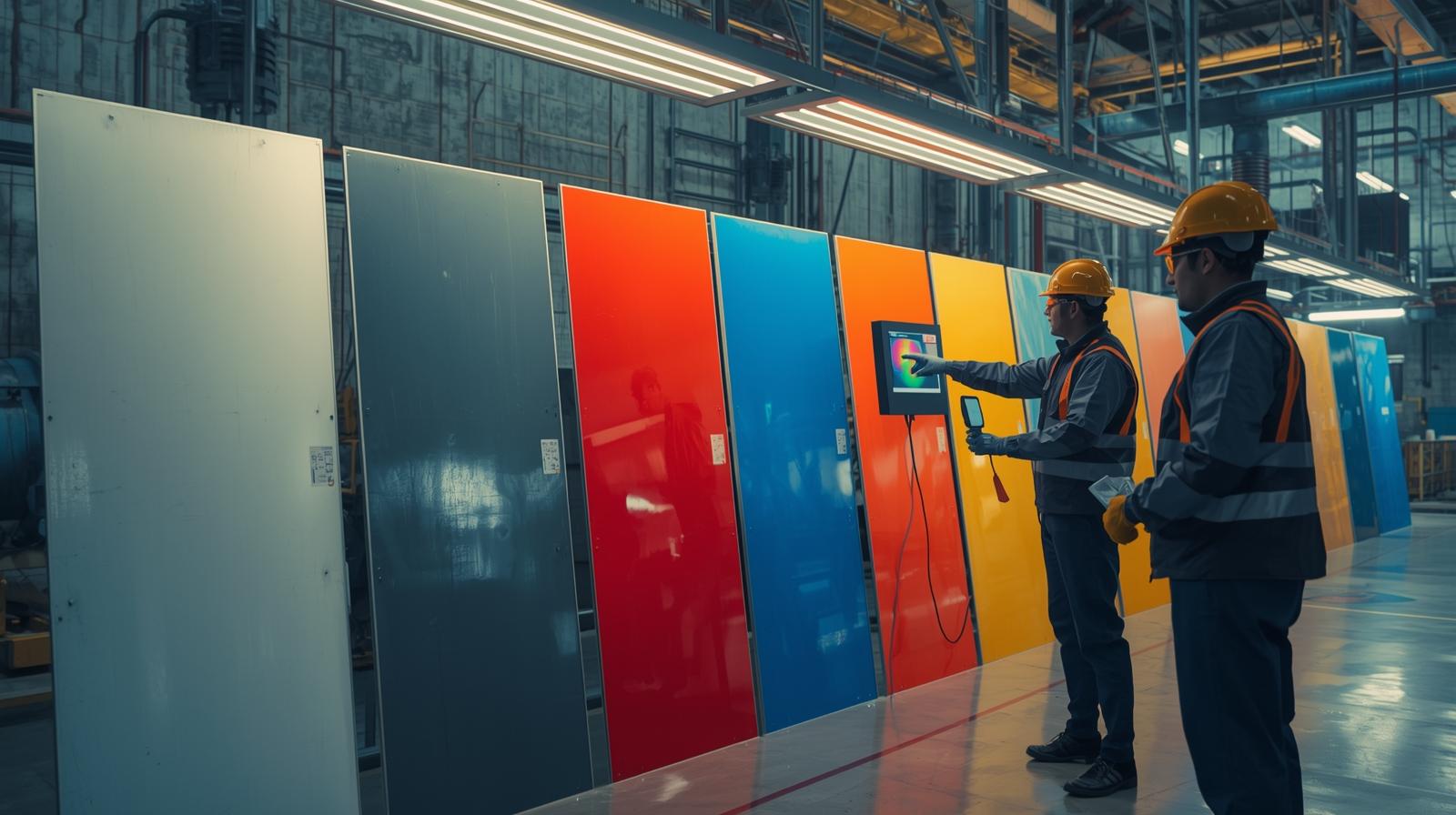
Modern industrial projects use professional measuring devices to verify protective paint systems. These devices allow for accurate measurement of paint thickness, surface roughness, adhesion strength, moisture content, and other important parameters.
Elcometer measuring instruments from Atlas are one of the effective solutions for quality control in protective coating and paint systems. These instruments are used in industrial applications to verify paint application compliance with standards, detect defects at an early stage and ensure project quality.
In which areas is it most used?
Measurement in protective paint systems is particularly important in the following areas:
- Oil and gas industry
- Shipping and maritime infrastructure
- Bridges and metal structures
- Energy facilities
- Manufacturing facilities
- Pipelines
- Tanks and reservoirs
- Mining and heavy industrial equipment
Since surfaces in these areas are exposed to harsher operating conditions, the quality of the protective coating requires special control.
Conclusion
In protective paint systems, accurate measurement is a key factor in long-term protection, quality application, and cost management. If the paint film thickness, surface preparation level, and overall coating quality are not accurately measured, the system may not deliver the expected results.
By using professional measuring devices, it is possible to reduce the risk of corrosion, optimize material consumption, and increase the service life of industrial facilities.
Atlas offers reliable Elcometer measuring instruments for quality control in protective paint systems. Accurate measurement means a more durable surface, lower repair costs and higher project quality