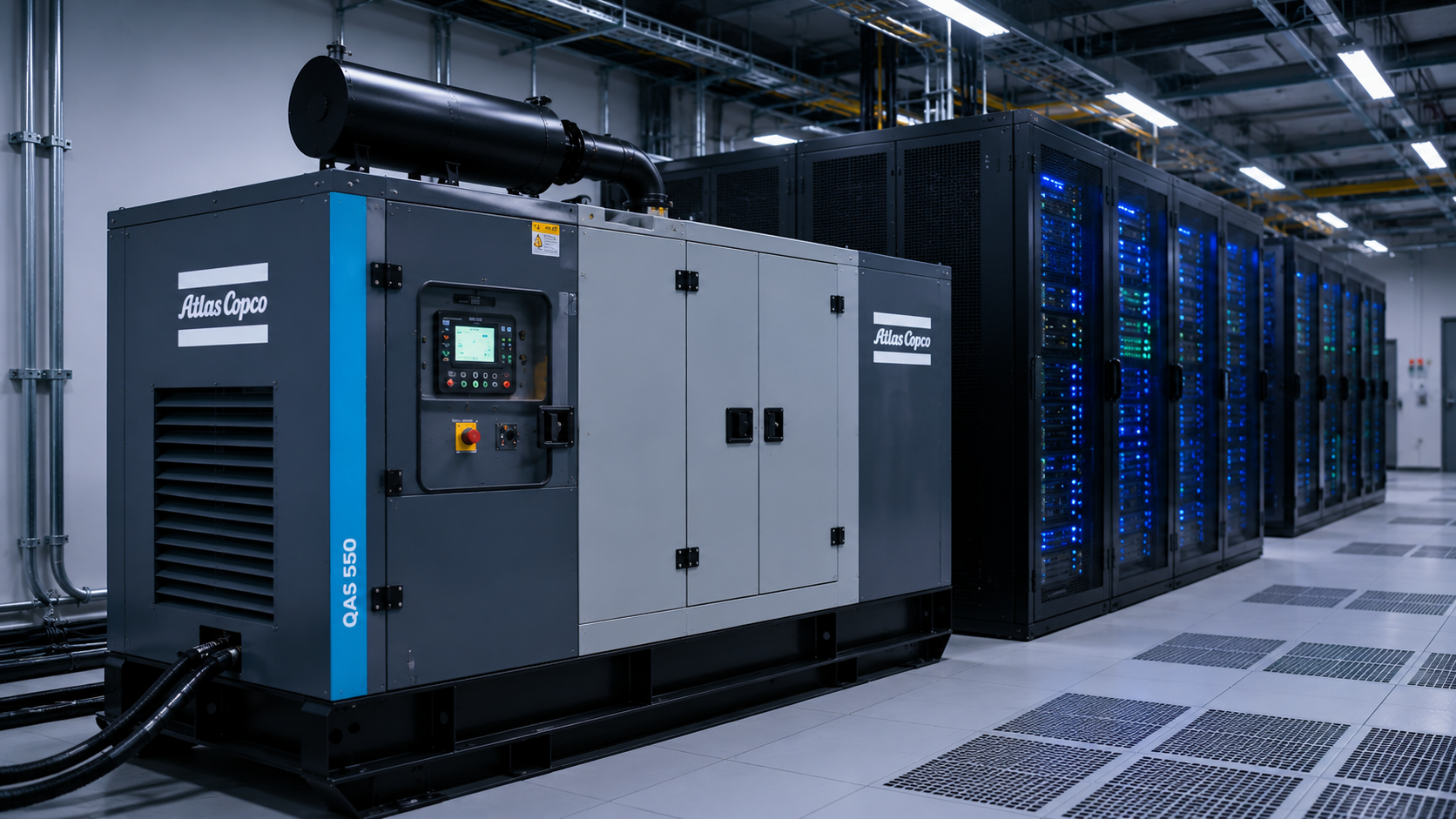

How to choose a generator for data centers and server rooms?
Data centers and server rooms are some of the most critical technical infrastructures of modern businesses. Companies' databases, internal systems, websites, cloud services, security cameras, ERP/CRM applications, and other digital processes depend on these systems. Therefore, power outages in server rooms are not just a technical problem, but also a serious business risk.
A sudden shutdown of servers during a power outage can lead to data loss, system failure, unavailability of services, and disruptions in company operations. Therefore, the selection of generators for data centers and server rooms should be calculated more accurately and planned with a professional approach, unlike ordinary facilities.
Why is backup power important for server rooms?
Equipment in server rooms must operate with continuous and stable power. The main issue here is not only the availability of electricity, but also the stable, safe and uninterrupted supply of that energy. Because voltage fluctuations, sudden power outages or unstable power supply can seriously damage server equipment.
The main risks during a power outage in data centers and server rooms are: data loss, server failure, loss of time to restore systems, interruption in customer services, downtime of security systems and disruption of business processes. These risks are considered more critical, especially in the banking, logistics, manufacturing, medical, telecommunications and e-commerce sectors.
For this reason, generator selection should be based not only on the principle of "let it work when the power goes out", but also on the principle of business continuity and data security .
Before starting generator selection, the energy requirement should be calculated.
The first step in selecting a generator for a data center and server room is to correctly calculate the power requirements. This should take into account not only the power of the servers, but also all support systems.
In server rooms, the generator load typically includes server racks, network equipment, switch and router systems, UPSs, cooling systems, air conditioners, security cameras, access control systems, fire alarm systems, and lighting.
One of the most common mistakes is to only calculate the energy consumption of the servers. However, the cooling system in server rooms is at least as important as the servers themselves. If cooling stops when the power is cut off, the temperature of the equipment can rise in a short time, which can seriously affect the security of the systems.
Therefore, when selecting generator power, both the IT load and the cooling and safety systems must be calculated together.
UPS and generator must work together
When choosing a generator for server rooms, a UPS system should definitely be considered. The UPS provides immediate power to the servers in the event of a power outage and provides uninterrupted power until the generator starts up. The generator acts as a longer-term backup power source.
For this system to work properly, the UPS and generator must be matched. The generator's power must be appropriate for the UPS's load requirements, the battery charging process, and the server room's overall power needs.
If the generator does not work in harmony with the UPS, voltage fluctuations, load problems and unstable power supply may occur in the system. This is risky for server equipment. Therefore, in data center projects, the generator should be selected not only as a separate piece of equipment, but as part of the overall power infrastructure.
How should generator power be determined?
When selecting a generator capacity, it is important to consider not only the current power requirements of the server room, but also the possibility of future expansion. The number of equipment in data centers increases over time, new server racks are added, and cooling requirements increase. Therefore, if the generator selection is made only based on today's load, the system may be insufficient in the future.
When calculating the generator capacity, the continuous operating load, the additional power demand during startup, the behavior of the UPS system, the load of the cooling equipment, and the reserve power share should be taken into account. It is not recommended to operate the generator at maximum load for server rooms all the time. For more stable and long-lasting operation, it is a more correct approach to select a generator with a certain reserve power.
At the same time, the generator's fuel consumption, sound level, location, ventilation conditions, and service accessibility should also be taken into account when selecting.
An automatic switching system must be considered
Manually responding to power outages in data centers and server rooms can be dangerous and time-consuming. For this reason, an automatic transfer system — ATS — is a key part of the generator infrastructure.
The ATS ensures that in the event of a power outage on the main power line, the generator automatically starts and the load is redirected to the backup power source. When power is restored, the system automatically switches back to the main line.
Automatic control of this process is very important for server rooms. Because even seconds matter here. Although the UPS provides short-term switching, the timely start-up of the generator is a prerequisite for long-term energy sustainability.
The cooling system should not be forgotten in the generator calculation
Cooling is as critical as power in server rooms. Servers generate heat as they operate, and if this heat is not properly managed, equipment performance degrades, the risk of failure increases, and systems can shut down to protect themselves.
It is not enough to just power the servers during a power outage. Cooling systems must also be included in the generator load. In particular, air conditioning, precision cooling systems, and ventilation equipment should be considered separately in the energy calculation.
When selecting generators in data centers and server rooms, the approach should be based on "keeping all critical infrastructure operational" rather than "keeping the servers running".
Fuel reserves and uninterrupted operation time must be planned
When selecting a generator, it is important to determine in advance how many hours of uninterrupted operation it will have. For some facilities, a few hours of backup power may be sufficient, but for data centers and critical server rooms, a longer-term operation plan may be required.
Fuel tank capacity, fuel consumption, additional fuel supply, and safe storage conditions are all important parts of a backup power plan. Even if the generator is powerful, if the fuel reserve is not planned properly, the system cannot operate reliably during long-term outages.
Therefore, a fuel plan should be developed in conjunction with generator selection. This is especially important for businesses that operate 24/7.
Maintenance and regular tests should be carried out
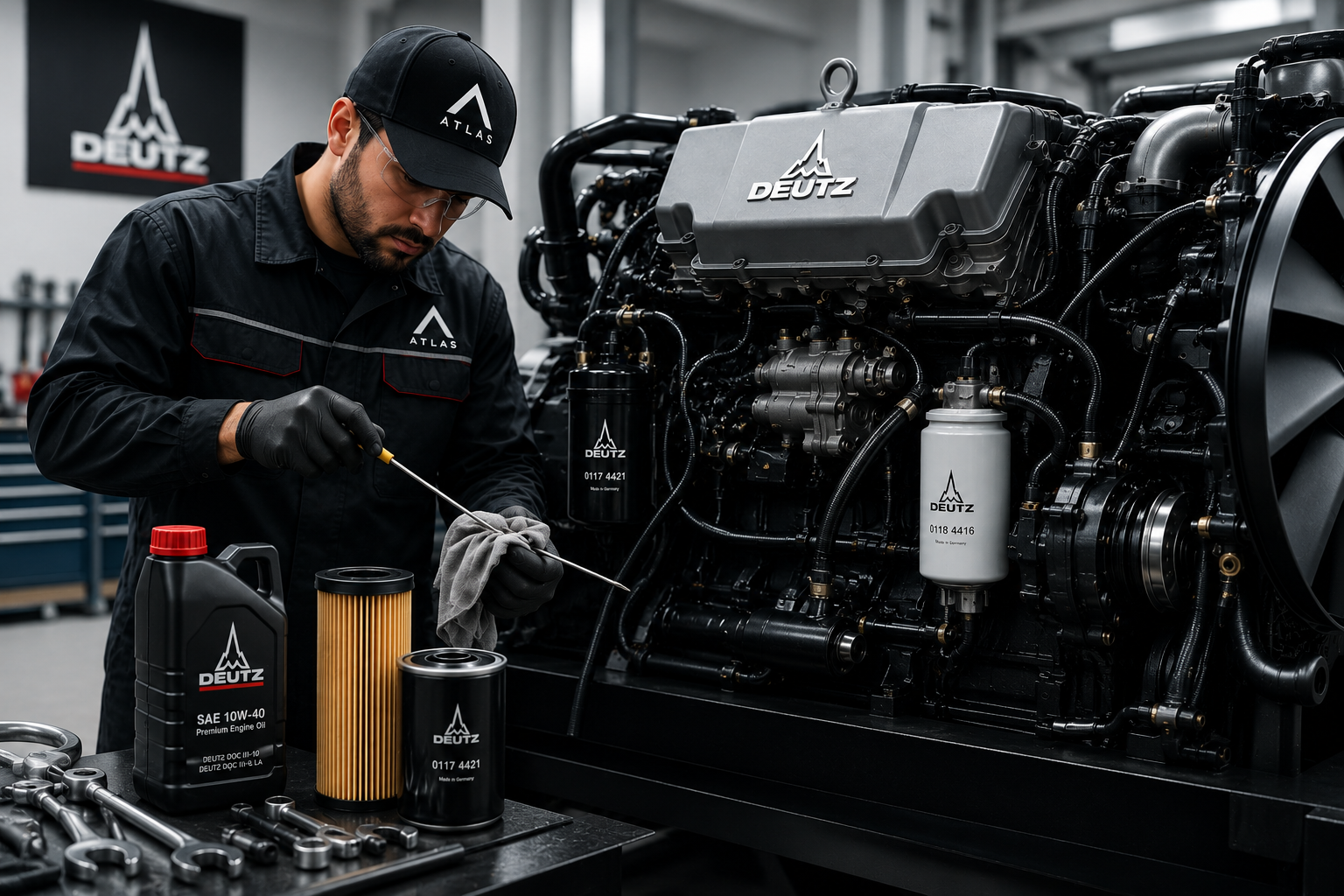
A generator for data centers and server rooms is not just a piece of equipment that needs to be installed and left alone. It needs to have a regular testing, maintenance, and service plan to ensure that the generator operates smoothly in a real emergency.
During the test, the generator's automatic start, ATS switch, compatibility with UPS, load performance, fuel level, battery condition, oil and filter system should be checked. These checks allow for early detection of possible malfunctions.
The “we’ll see later” approach to backup power systems for server rooms poses a serious risk, as the failure of the system during a real outage could result in significant losses for the business.
Generator selection requires professional analysis
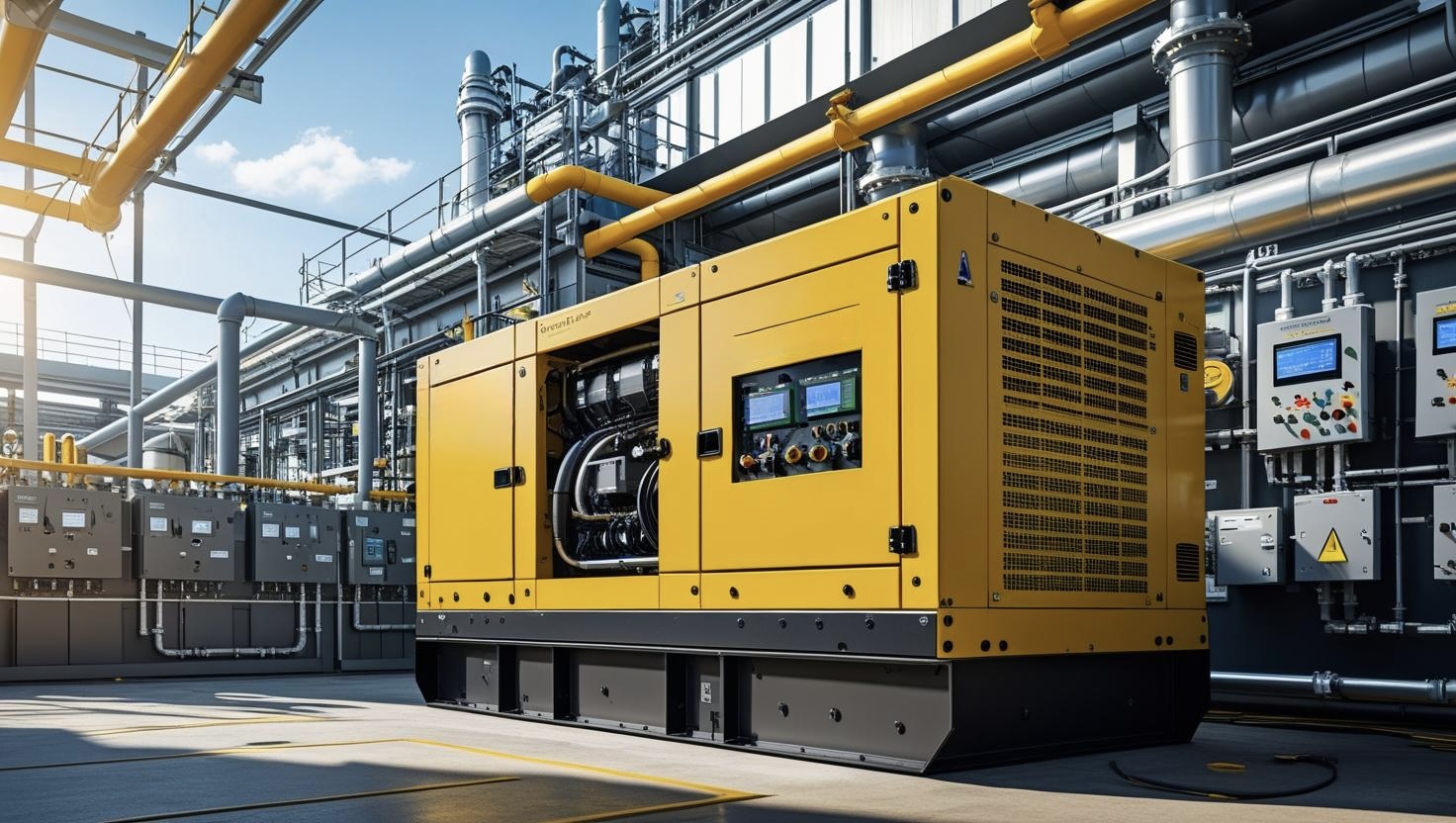
Generator selection for data centers and server rooms requires a broader approach than standard power calculations. It involves evaluating server load, UPS system, cooling equipment, security systems, automatic switching, fuel plan, and service support.
A properly selected generator protects server infrastructure from power outages, ensures data security, and helps keep business processes running smoothly. An incorrectly selected generator can create additional costs, unstable power, and technical risks.
Generator solutions for data centers and server rooms with Atlas
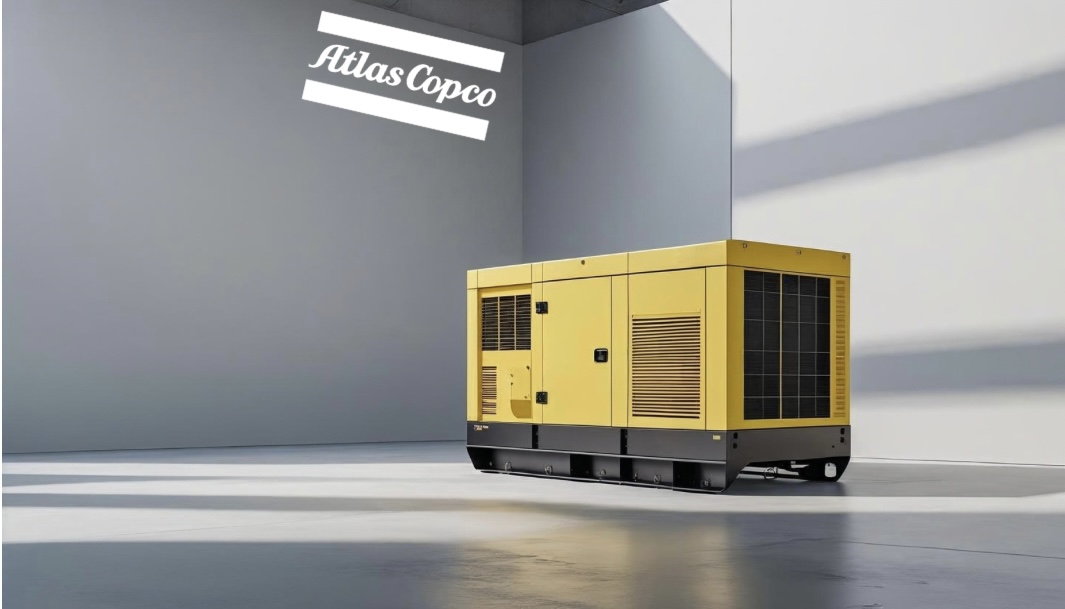
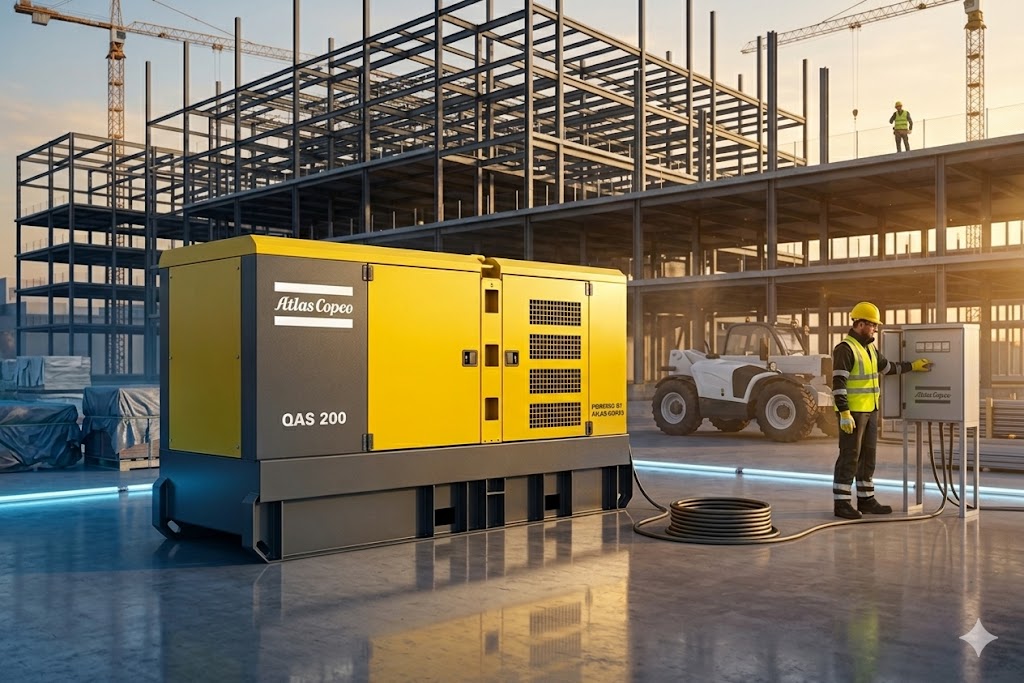
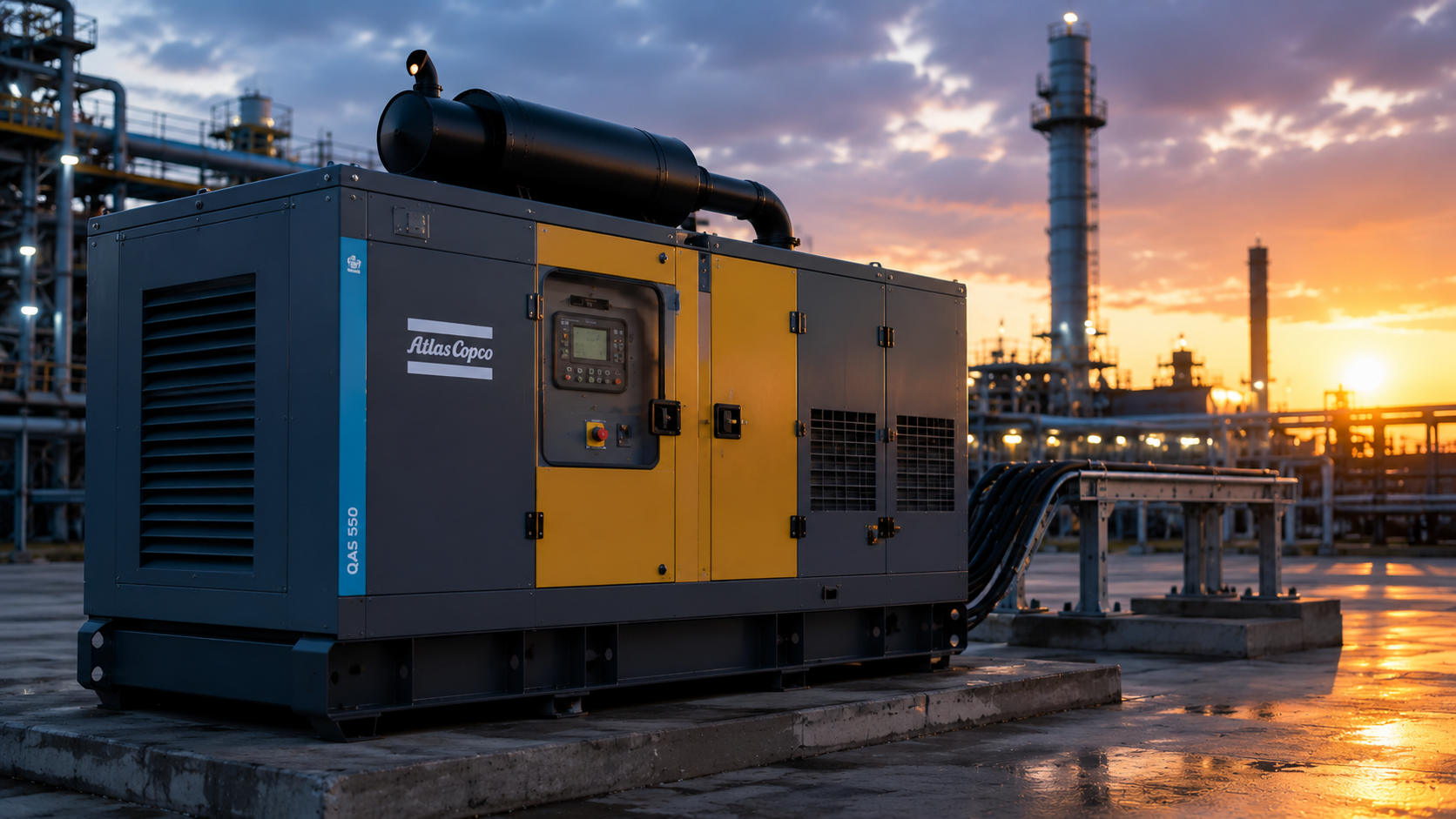
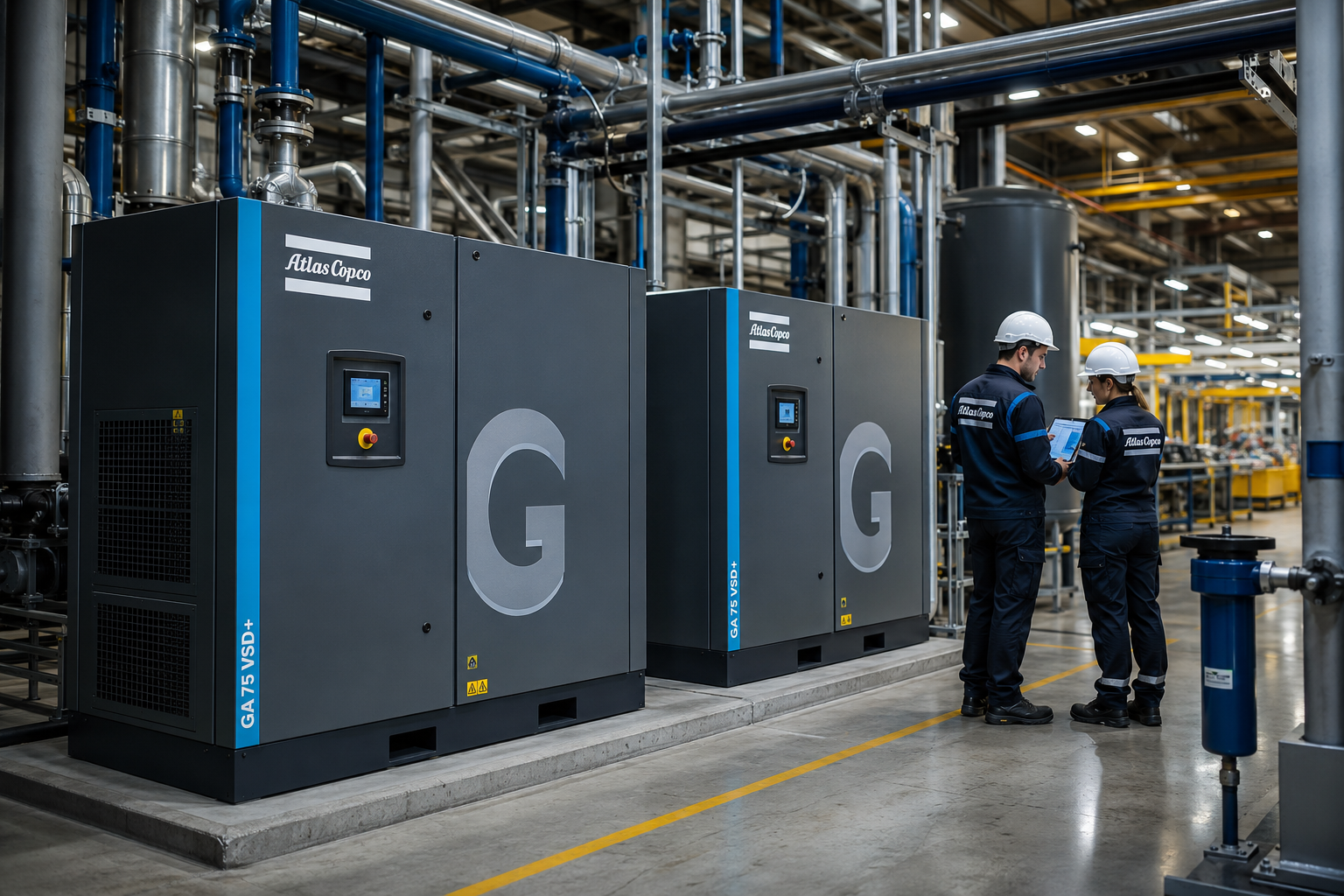
Atlas provides generator solutions for data centers, server rooms, manufacturing facilities, office buildings and critical infrastructure facilities. We help to build a more reliable backup power system with generator selection according to the energy needs of the enterprise, sales and rental opportunities, technical advice and service support.
If you want to choose the right generator for your server room or data center, the Atlas team can analyze the energy needs of your facility and provide you with the right solution.
Atlas — reliable generator and backup power solutions for critical infrastructure.